Without blood
Movies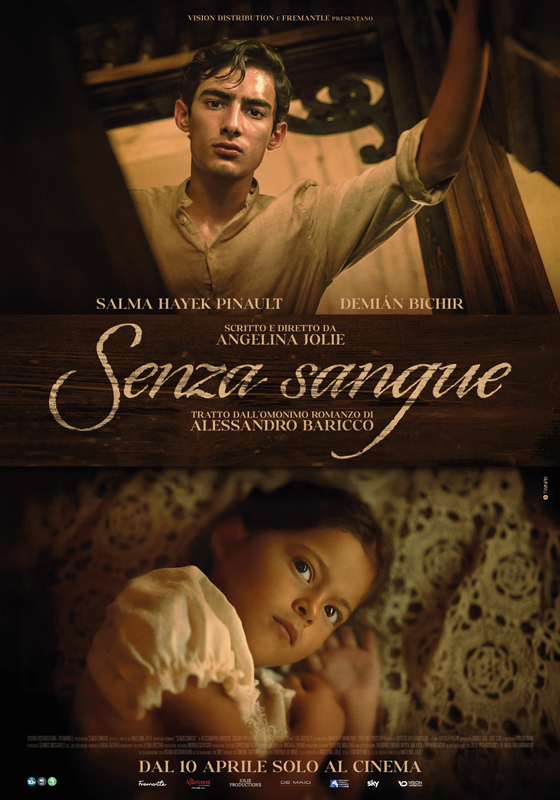
Q&A WITH THE DIRECTOR
Why did you want to make WITHOUT BLOOD?
It is based on the novel by Italian writer Alessandro Baricco, which I first read about eight years ago, at a very particular time in my life.
That book pulled me into an inner journey — the same one I hope to offer the audience through the film.
As I was reading, I found myself making assumptions about how the story would unfold, as often happens when we rely on the narrative mechanisms we are used to.
In the end, the book surprised me; it taught me something.
When I finished it, I felt it was telling a profound truth.
It was authentic.
It spoke to what I have seen in people who have lived through conflict, and also to what I have experienced myself, in a much milder way, in relation to trauma.
That is why it became an important book for me.
You also met Alessandro Baricco, right?
Yes, I did.
He also came to set during the shoot, but we had already met earlier, while I was working on the adaptation.
I stayed very close to his book.
In a way, I do not even feel like I wrote it myself.
I remember Alessandro telling me: “My books are not easy to translate, and you may feel pressured to define a country, a conflict, maybe even an ending.”
But I have to credit my producers: they did not ask me for any of that.
I know this choice can make the film challenging to watch, but the truth is that living through these experiences is infinitely harder.
It is hard to live with the absence of answers.
It is hard to accept that there is no real ending to certain horrors, to certain kinds of pain that change your life forever.
I believe that, in the end, the film takes seriously the effects of these conflicts, especially on children.
The consequences are long‑lasting; they shape the person and the society.
It is not just the bomb exploding: it is everything it hits — the body, the mind, the spirit, and also the social fabric, the country itself.
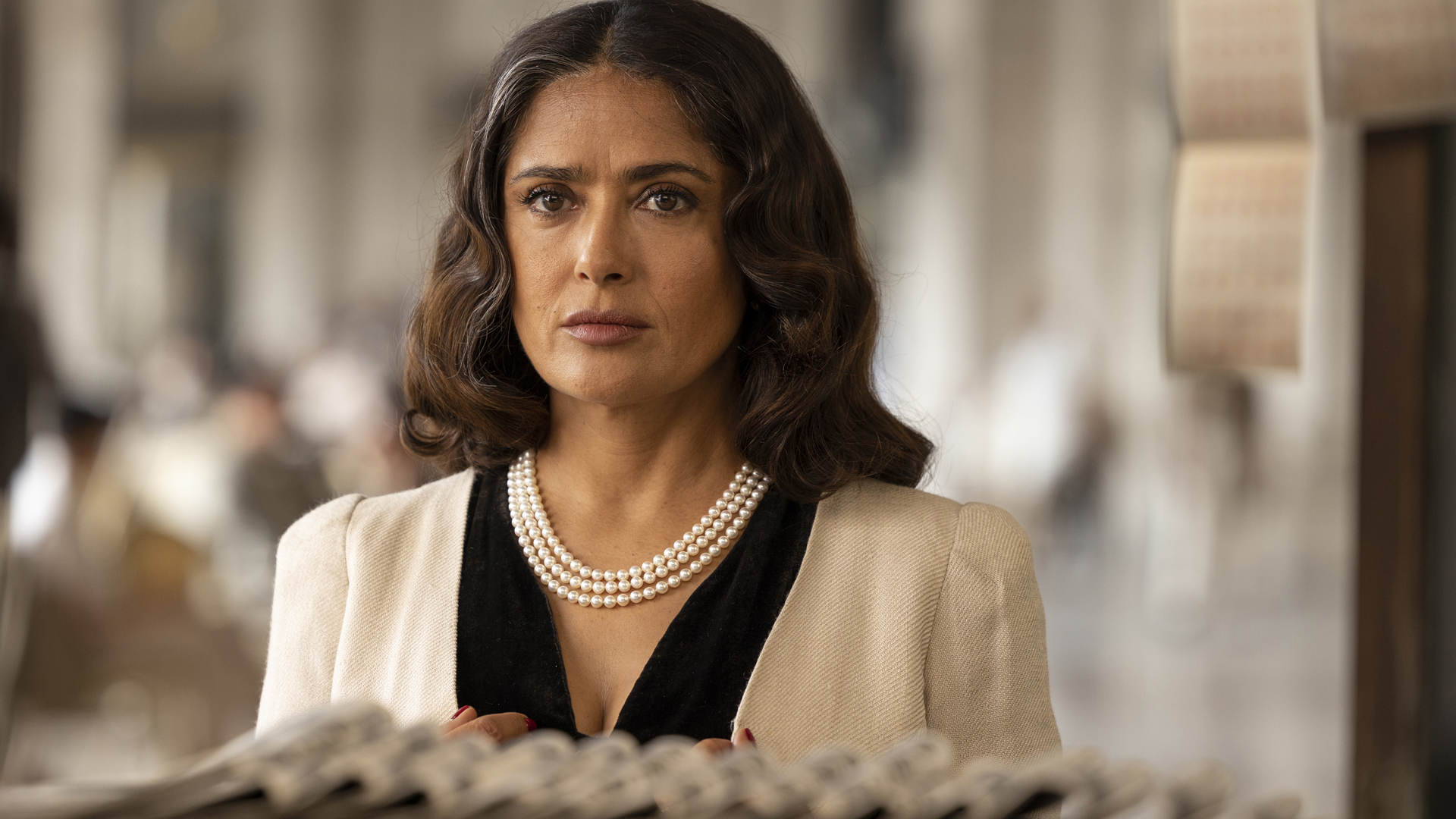
Why did you choose Salma Hayek to play Nina as an adult?
We did not know each other very well until we worked together on a very different film, Eternals.
On that project I had the chance to get to know her better and I discovered a warm, thoughtful person.
She is a woman who thinks deeply and feels deeply.
I wanted to know her even more, in a more genuine way, and I think that in Without Blood you perhaps see the real Salma — the one I came to know — more than in some of the other roles she has played.
She was very open and very brave in her performance.
She did not “act” a character; she was simply present, as a woman who allows herself the time to reflect on the meaning of loss and pain.
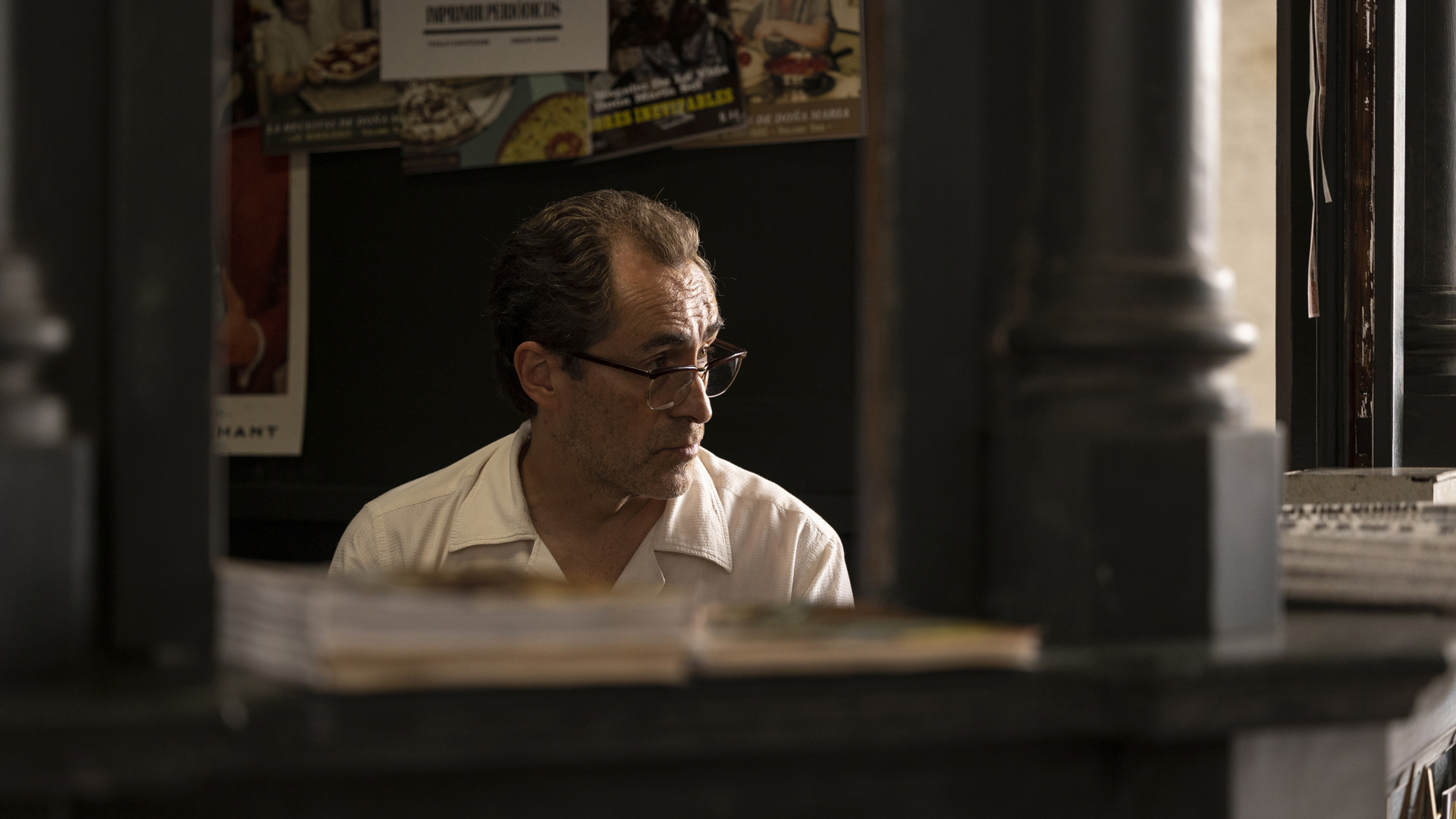
And why did you choose Demián Bichir to play Tito as an adult?
Demián approached this role with total commitment, and he already knew Alessandro Baricco’s work.
Today there are many ways an actor can “hide”: lots of cuts, lots of action, funny situations.
But in this film I asked for something different: I asked the actors to stay there, still, open.
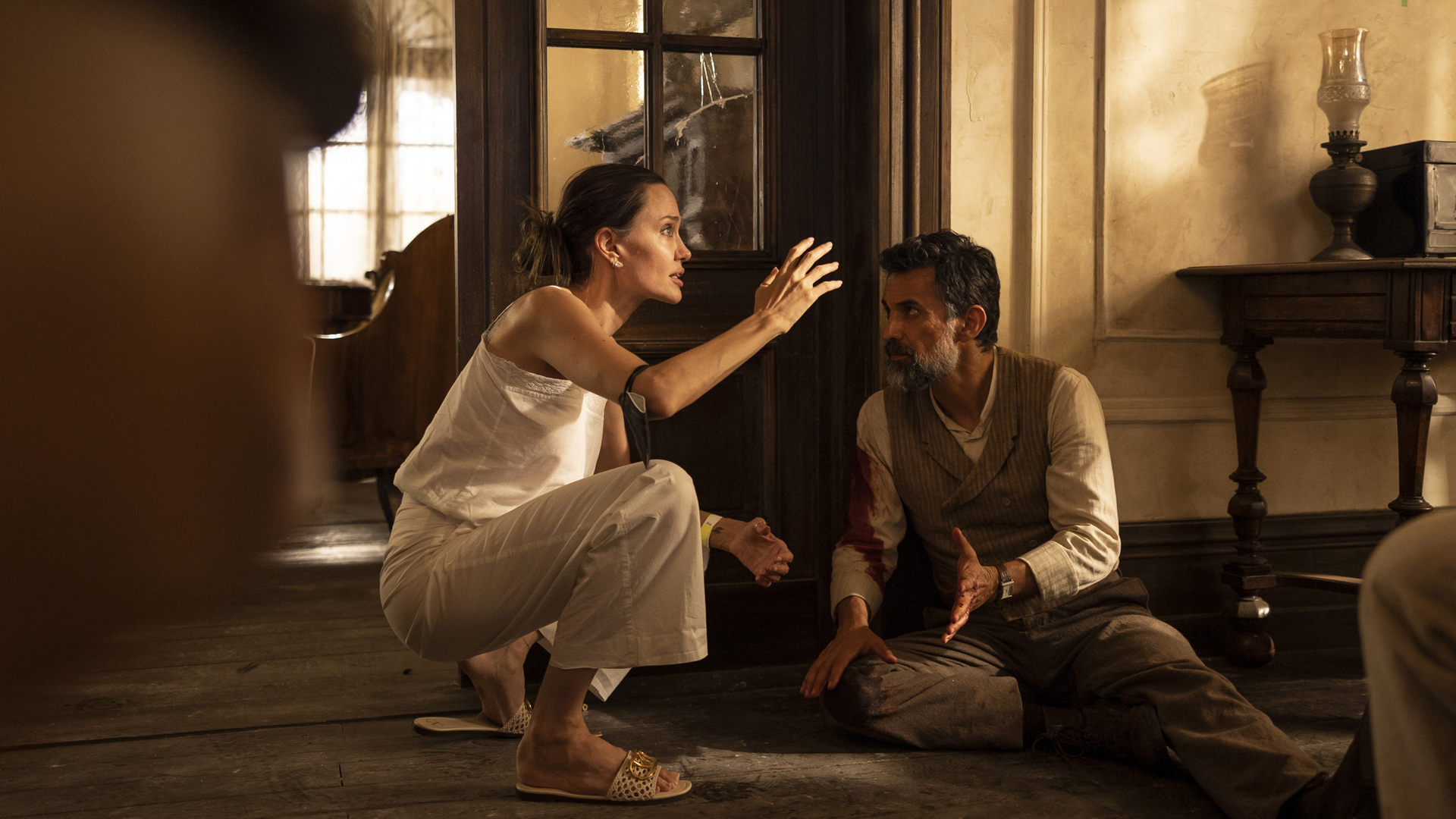
As a director, I told them: “I will give you the space to do your work, but you must be fully present, because I will notice everything you think. And I am not going anywhere.”
As an actress, I would see that as a chance to strip myself bare.
But it is also a challenge: you cannot afford to falter.
Demián and I had talked about this.
He and Salma came in with deep questions; they had studied, researched, and had a genuine desire to enter the living core of the film.
The whole cast was incredibly dedicated, serious, and respectful of their craft.
Working in that environment was truly inspiring.
Much of the drama in Without Blood unfolds as a dialogue between these two actors, seated at a table. How did you direct that scene?
We shot the table scene in chronological order, and it was very interesting.
It took us about ten days — not a long time, but it was very intense work.
Salma and Demián were like two boxers stepping into the ring every day.
They had known each other for a long time, but not in this way.
Even though they were friends, during the shoot they did not socialize until the very last day, when everything was over.
Only then did I see them laughing together, talking.
Until that moment, they each stayed in their own corner.
They only really met there, at the table.
We did not plan any reactions.
And we did not need to.
A good actor does not need to know in advance what will happen.
They must truly listen to the person in front of them and let themselves be struck by what occurs.
That is exactly what happened.
Some of the things you see in the film really happen in real time.
The audience experiences them at the same moment the actors experience them in front of the camera.
How did the final table scene unfold?
I remember the morning we shot the last scene in the café.
Salma was angry.
She had woken up with the feeling that Nina had never received a real apology.
And that made me think of all the people I know.
All of us, in our lives, have someone who has hurt us deeply and has never truly said they are sorry.
Never, really.
I did not tell her this directly, but we talked about the importance of being open, sincere, as women.
And in the scene she is completely present, open toward Tito.
She stops looking for answers, stops punishing him or questioning him.
She tells him something that confirms their bond, their shared story.
She makes him understand that he mattered to her.
And that is the moment when he breaks.
He cannot stop crying.
Then something happened that we had not planned: Demián improvised.
He simply said, “I’m sorry.”
I had not asked him to do that.
He did not even know what Salma had been thinking that morning.
We all came out of that scene feeling that, in some way, we had learned something — about relationships, about truth, about forgiveness.
Do you consider Without Blood part of the western genre?
It made me smile when I heard someone call it a western.
I had not realized I had made a western.
But in a way, yes, it was somewhere in my mind.
When I tell stories of war, death, or conflict, I always try not to sugarcoat anything.
I do not want to be gory, but I want to be honest.
Because if we do not show with precision what death really is, we do a disservice to reality.
That said, I also believe that when you tell difficult stories, you must not punish the audience.
There is a reason the table where the dialogue takes place grows warmer and warmer.
It was all intentional: as the pain intensifies, night falls, and the candles are lit.
If it had been a cold metal table under a harsh white light, it would have been unbearable for the audience.
Instead, we needed that feeling of a “conversation by firelight.”
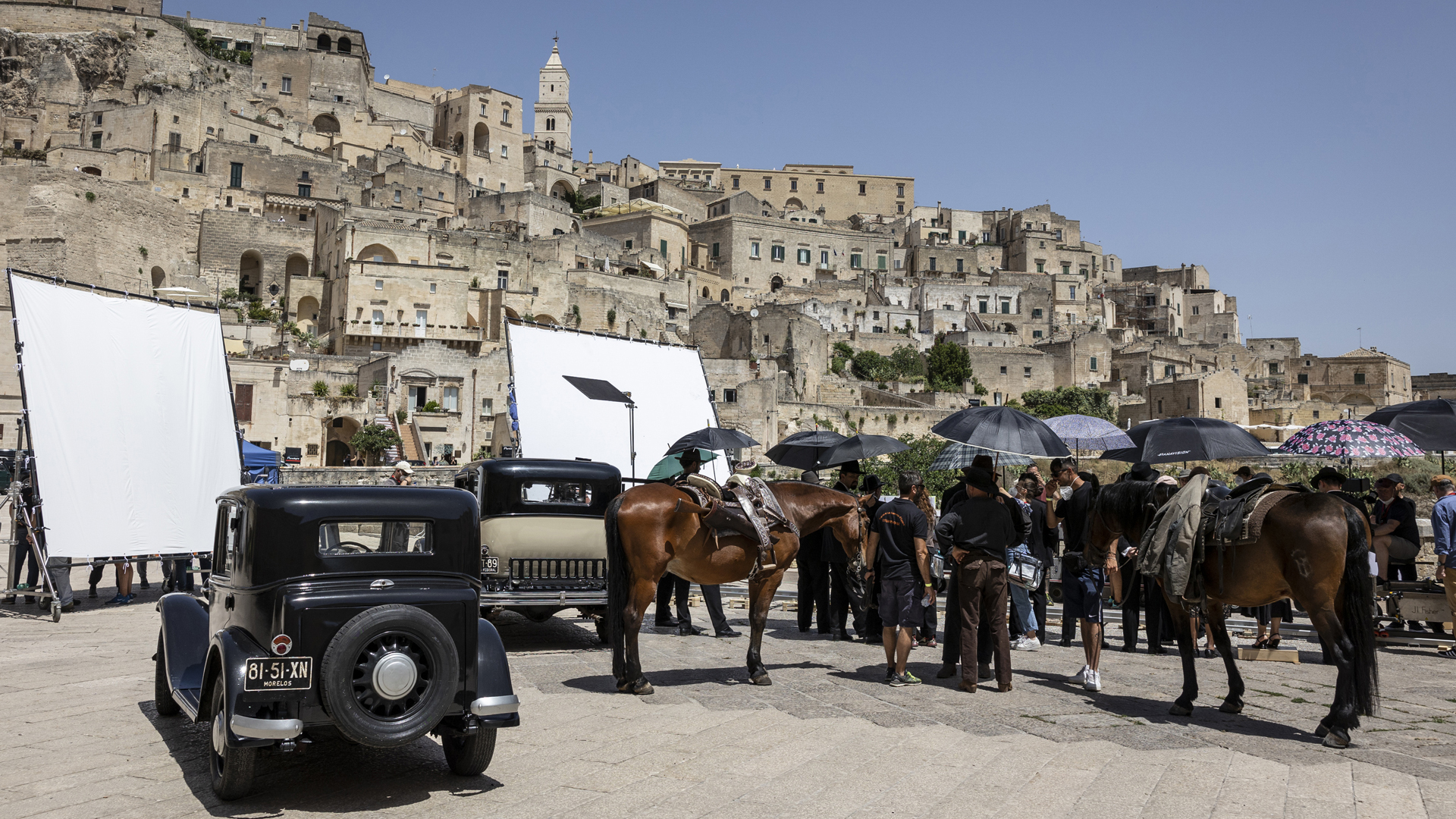
And there is also something deeply western in the landscapes: the horses, the vast sky, the dust, the earth.