My name is Francesco Totti
Movies
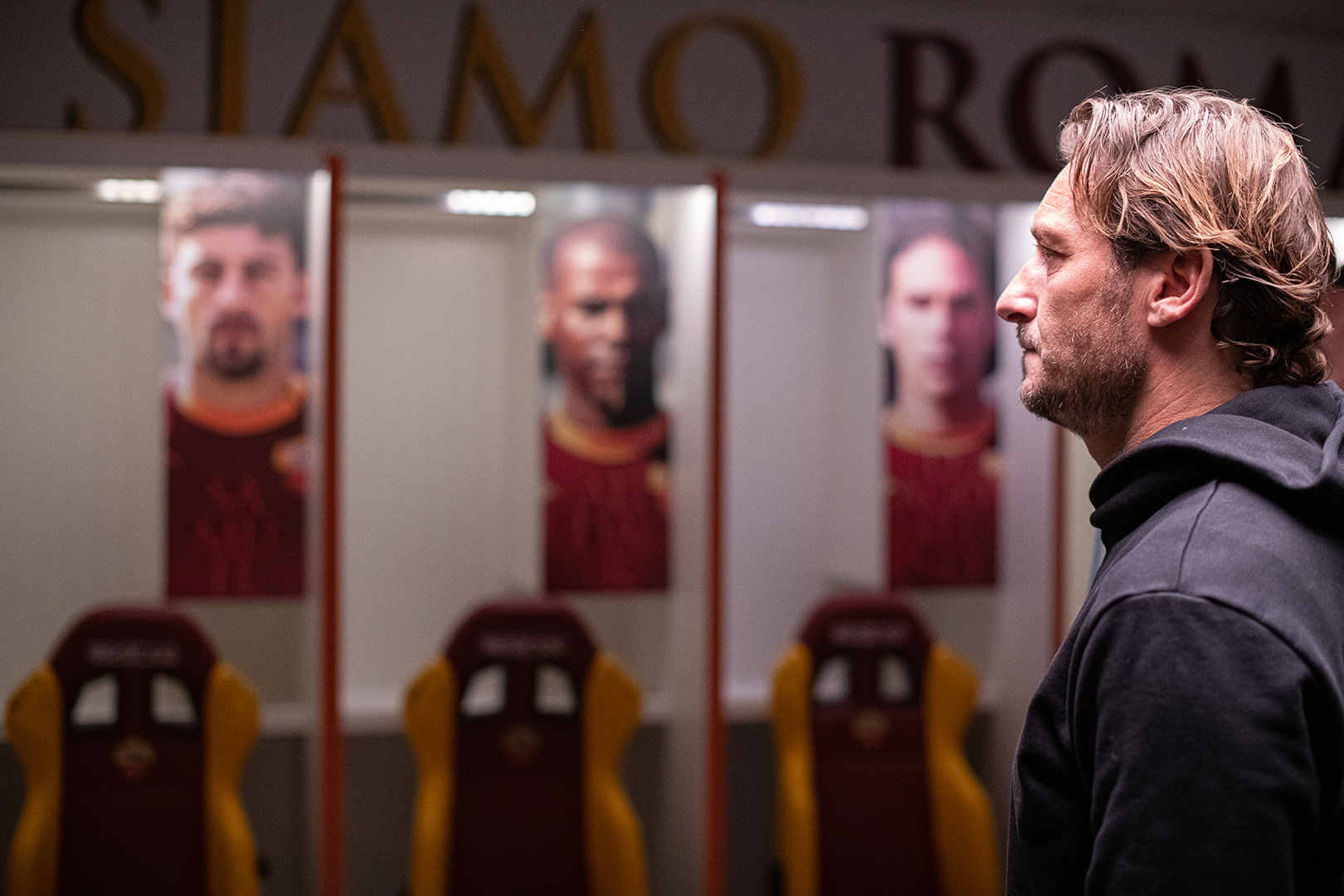
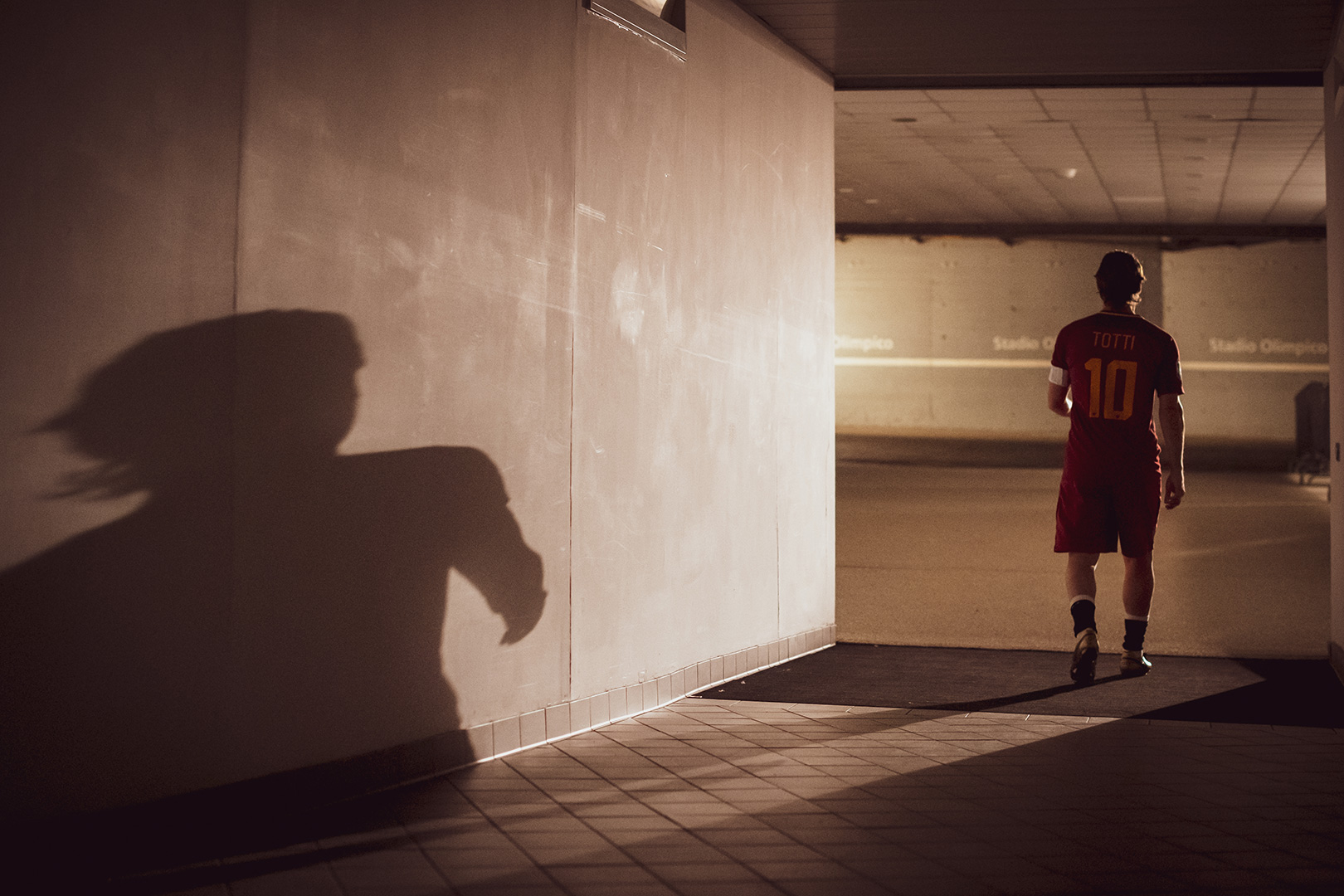
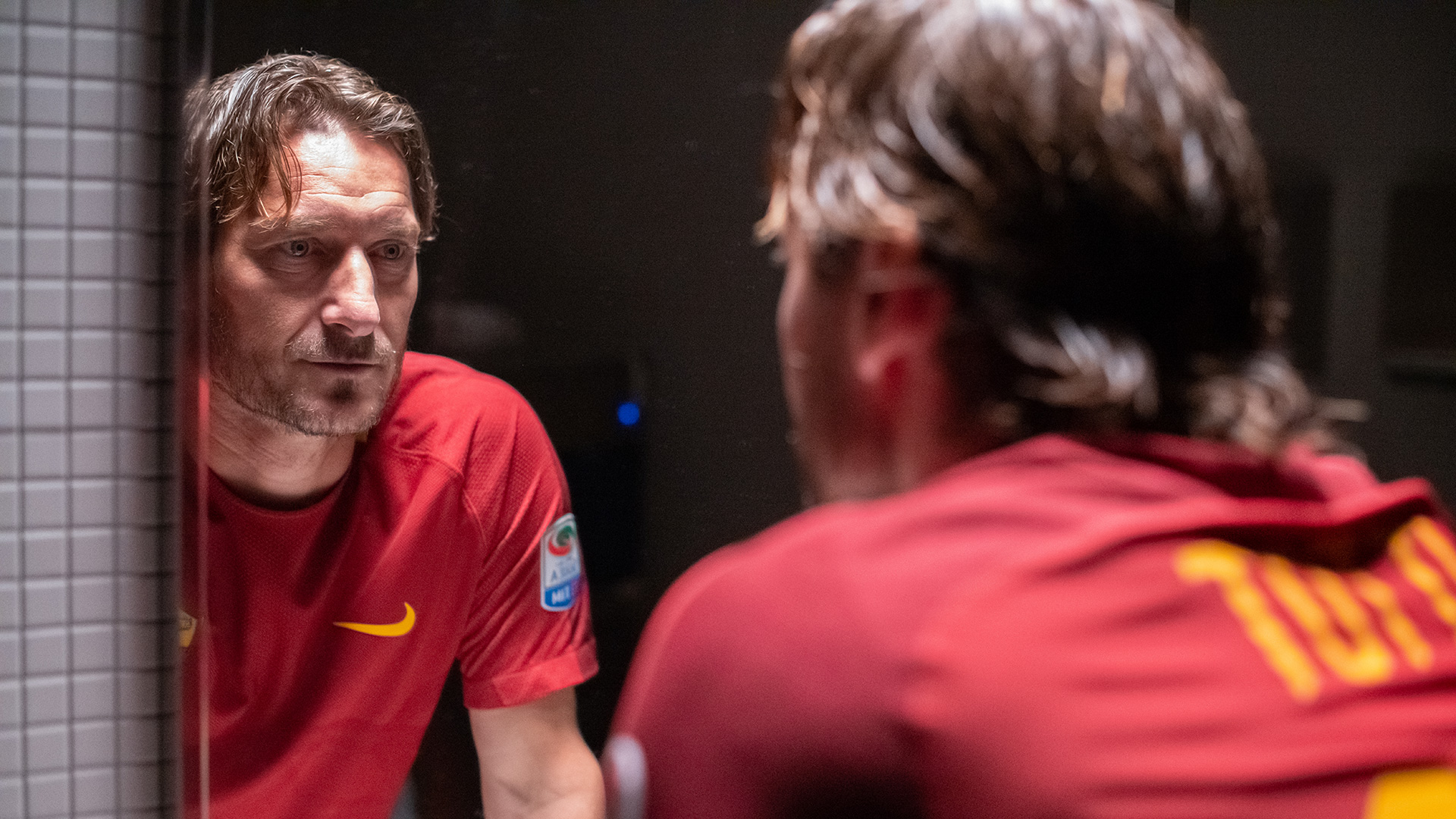
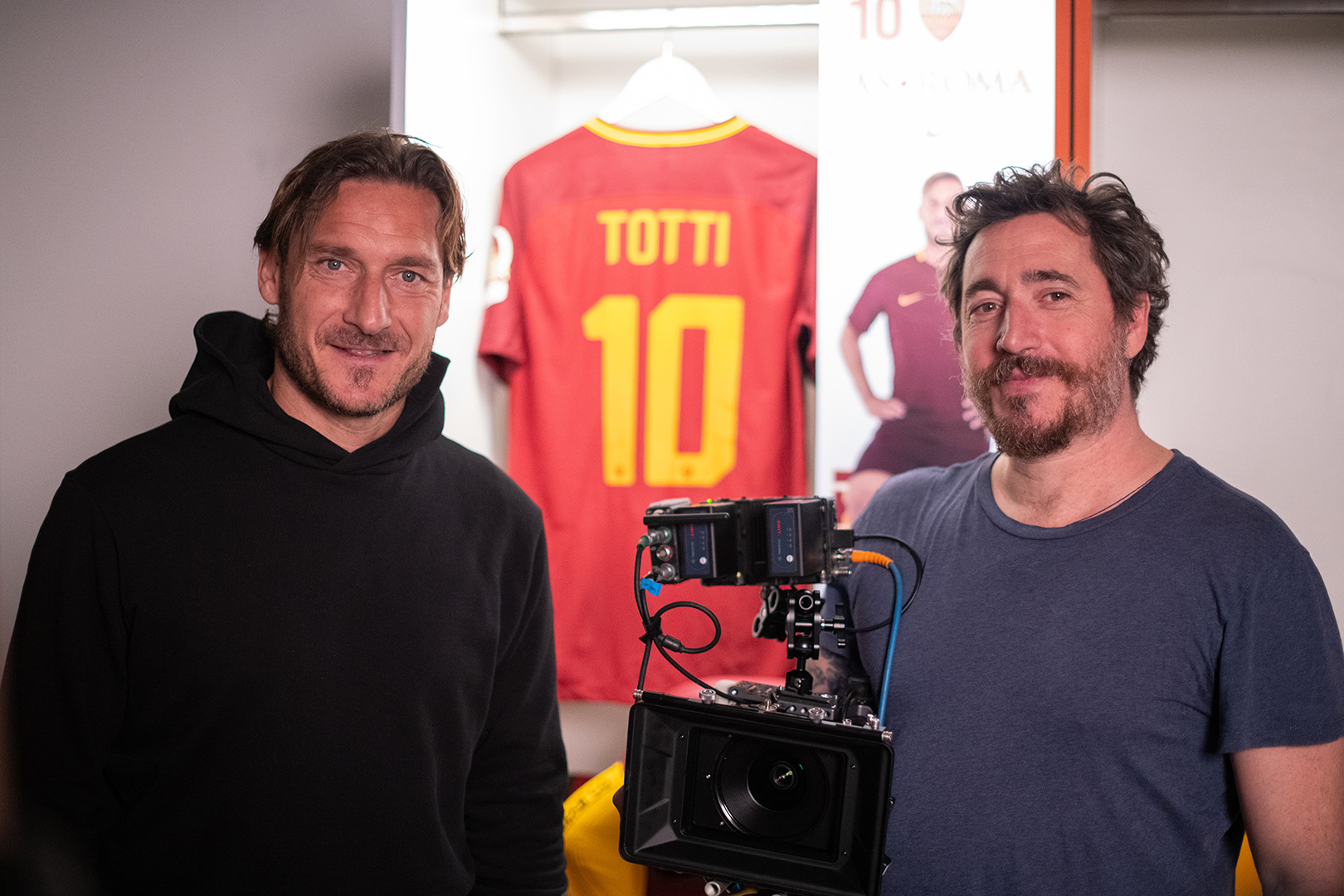
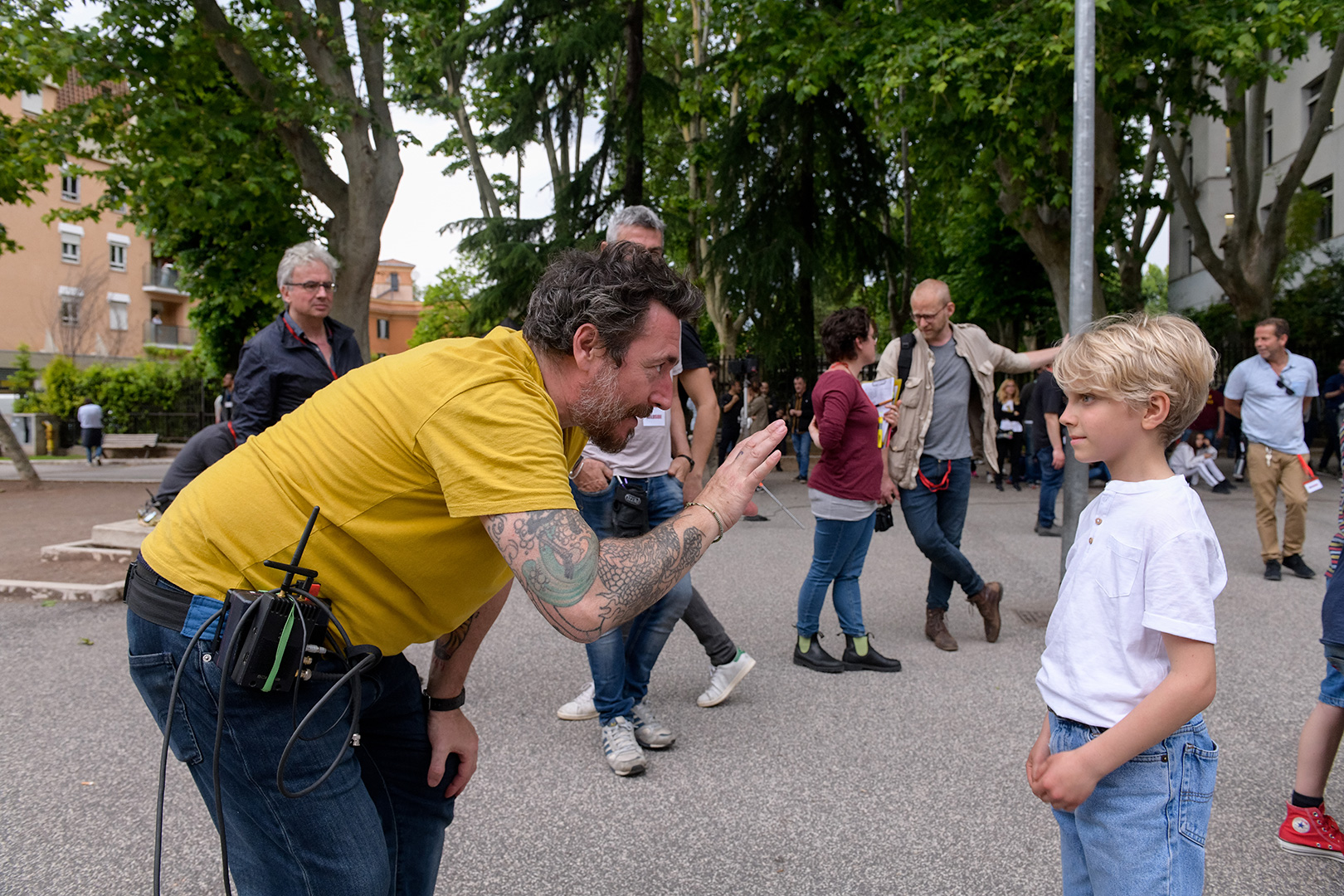
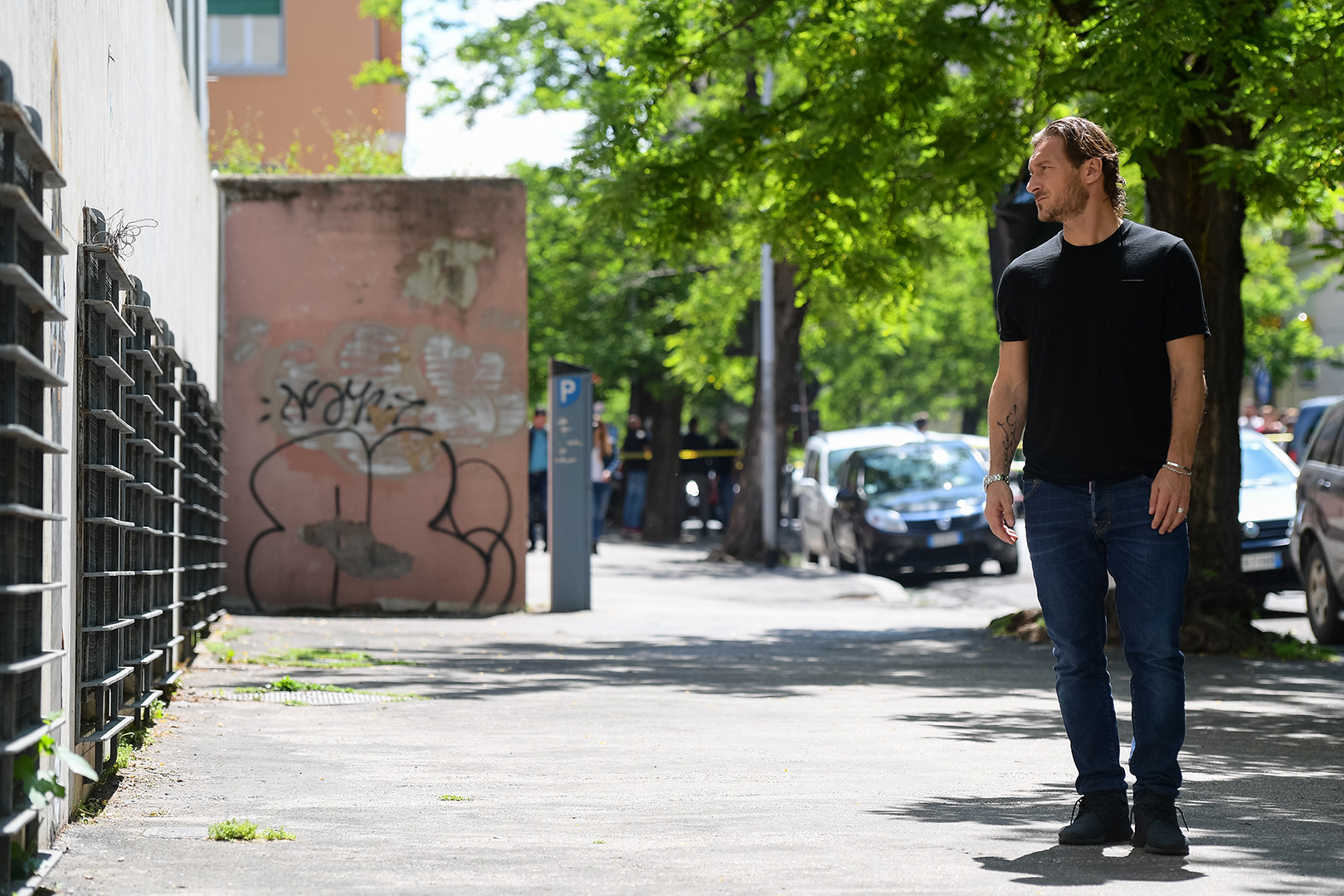
When I was asked to tell the story of such an immense and transversal figure as Francesco Totti, I was unsure whether to accept or not. Not out of arrogance, but on the contrary, out of humility. I have never been a die-hard fan, although a Romanista at heart since birth, and I thought that this should not be a documentary about football, but rather a cinematic memento of an unrepeatable period for Rome and its protagonist, who has had, and will have, no equal in the history of this city.
Once I was on board and met Francesco, from whom I wanted an official blessing on my 'vision,' I then asked myself what unprecedented magic I could bring to the story of this man and this champion, whom everyone knows.
I immediately felt that the right path was the opposite of "S is for Stanley," my previous documentary that narrated the deeds of a nobody, Emilio D'Alessandro, a small man who, during the film, grew until he became as great as (if not greater than) his antagonist/co-protagonist, Stanley Kubrick.
I had to do the opposite: shrink Totti, make him the same size as the viewer, without, however, reducing his sporting achievements. To do this, without sinning from omnipotence, I had only one possibility: that of first-person narration, that is: to involve Francesco totally, who became the sole narrator of the story, the only one who could downsize himself.
It is well known that sportsmen are not very eager to talk, and Totti in this is even legendary; his monosyllabic comments have made history. Yet, every time I chatted with him in private, another human being emerged, a man capable of introspective outbursts and imaginative and surprising descriptions.
To recreate this unexpected intimacy, I chose to organize the voice recording sessions in an almost psychoanalytic environment: a room lit only by a bedside lamp, a sofa, a practically invisible microphone above our heads, in addition to a computer screen on which to show Francesco images of his life, very often unpublished even for him.
The sessions, which could easily be called therapy sessions, lasted for hours and hours, with a few coffee or snack breaks, strictly consumed within that amniotic environment. After the first time – in which we studied each other and measured each other up – Francesco always came to these appointments with a great desire to talk and open up, perhaps discovering an unprecedented side of himself.
Little by little, delving into his story, I realized that "the Captain," "Tottigò," "Er Bimbo De Oro," increasingly became Francesco, that boy born in Rome at the end of the last century, who knows how to play football but who, even more, has always believed in the strength of community, family, tribe.
Everything that is told in the film – as well as everything that is omitted – is a reflection of what Francesco truly finds important in his story, the story that has brought him here. And it is precisely he, with his surging narrative, who guided the film. It was wonderful to see him gallop into his own unconscious, and then to 'construct' the dramaturgy later, during editing, structuring it and making it cinematic thanks to the music and never-before-seen images that I had at my disposal.
I chose the title "Mi Chiamo Francesco Totti" (My Name Is Francesco Totti) because it recalls the beginning of a school essay, a return to the playground, to street games, that moment when anything is possible, when the ending is open. And it is also for this reason that the film ends in Francesco's schoolyard, as if to say: time has passed, it's true, but life is still all ahead. Even if sometimes we would all like to rewind the tape a little and go back.