Parthenope
Movies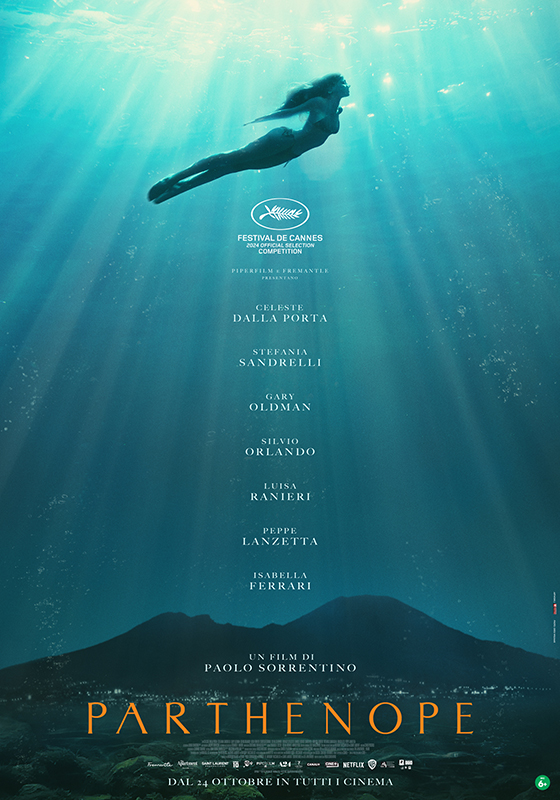
“In this town, I’m the leper with the most fingers.”
--The Two Jakes
Once, when asked one of those difficult questions along the lines of: “What, for you, is the sacred?” I replied instinctively: “The sacred is that which we’ll never forget of our own life story.” That’s how this film was born.
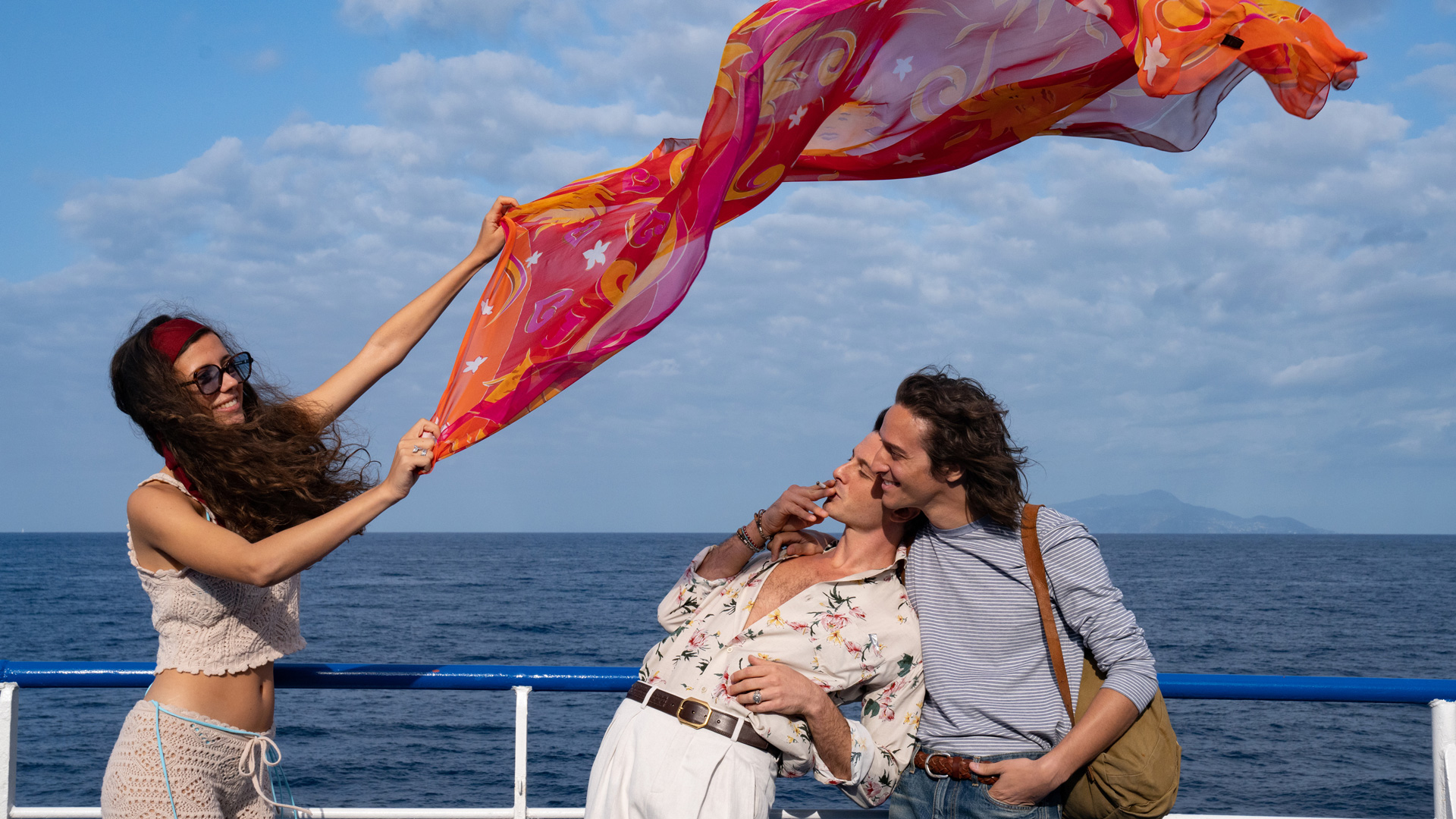
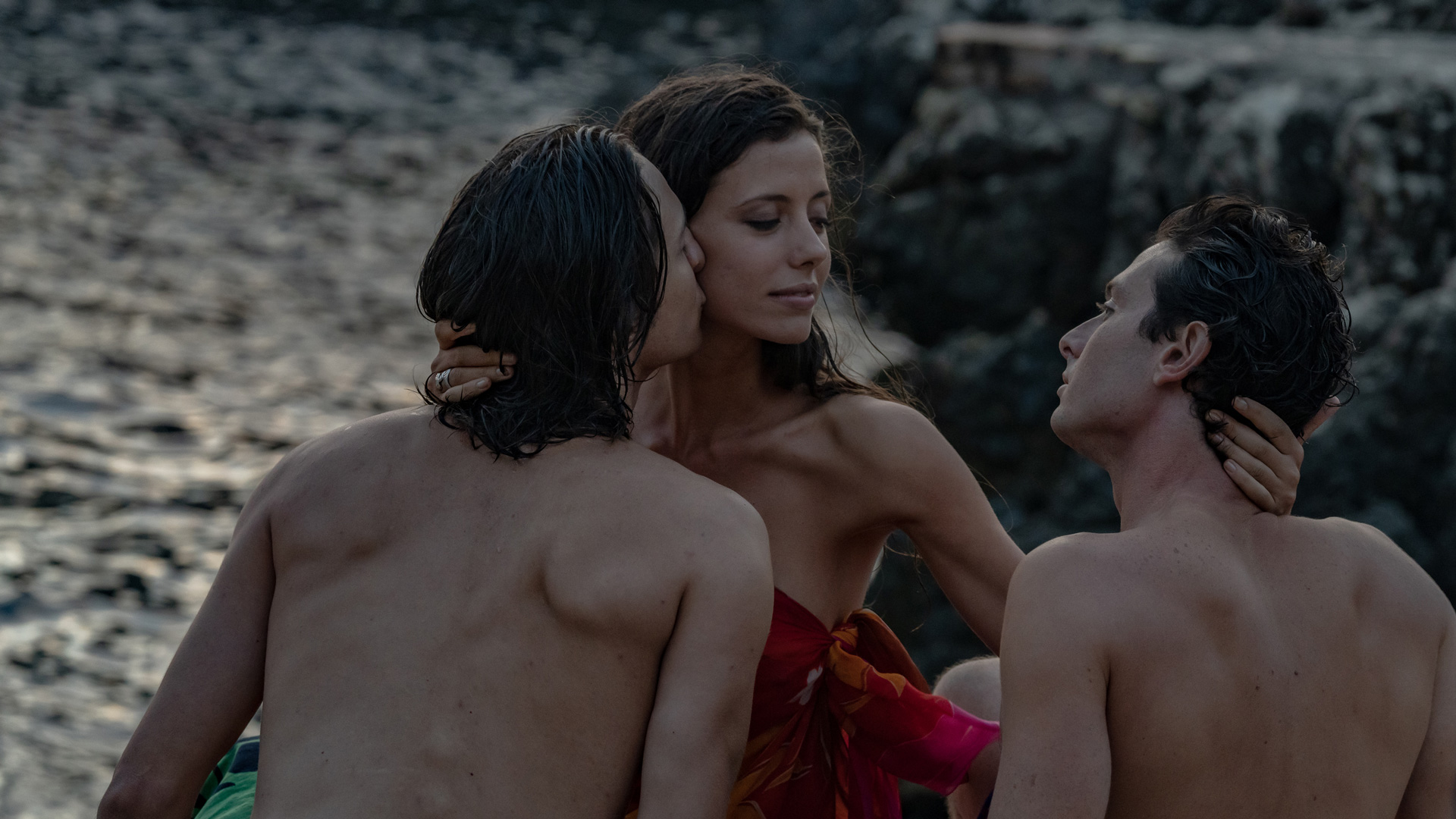
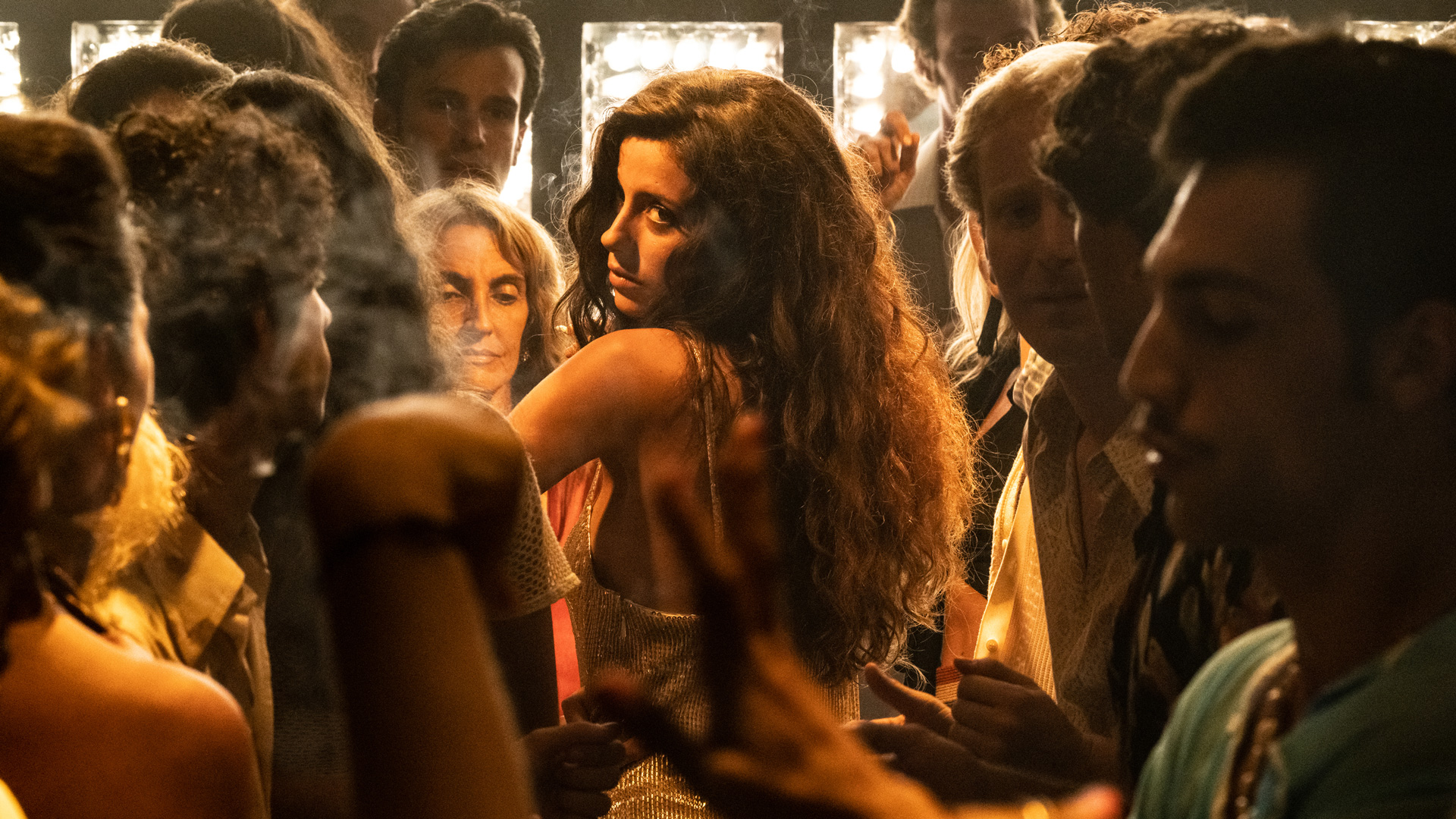
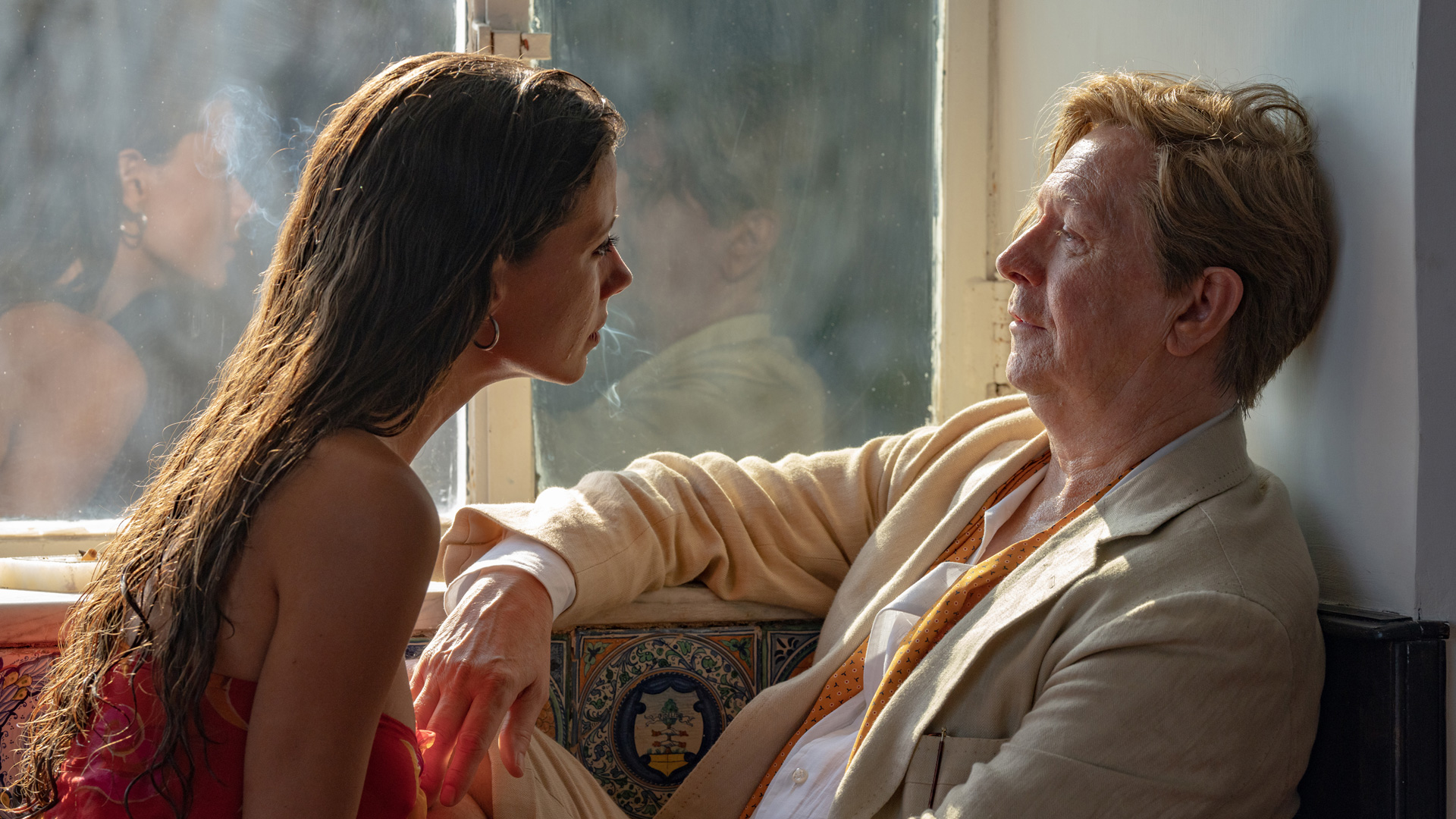
For me, Parthenope is, above all, a film about the sacred. About all the things that a woman has not been able to forget in her seventy-three years of life: the Bay of Naples and her parents, her first loves—one pure and bright, the other sordid and unspeakable—the perfect Capri summer, carefree with its salty dawns, still mornings, and balmy nights; those fleeting, fateful encounters; the discovery of seduction and the dizziness of freedom; feeling so fully alive that she sighs at life’s exuberance; the desperate search for her true self; loves lost or barely tasted; the sorrows that plunge her into adulthood; the inexorable passing of time; the only lover who never leaves her. And in all this is Naples, with its exasperating vitality—marvels around every corner—and everyone always ready, as if perpetually waiting behind some invisible curtain, to take the stage and offer up chaos, vulgarity, surprise, promiscuity, and all the rest.
Naples is free, Naples is dangerous, Naples never judges. Naples is like Parthenope.
Her freedom is a constant, something she will never renounce. Even if it means embracing solitude. Because—all too often—solitude and freedom go hand in hand.
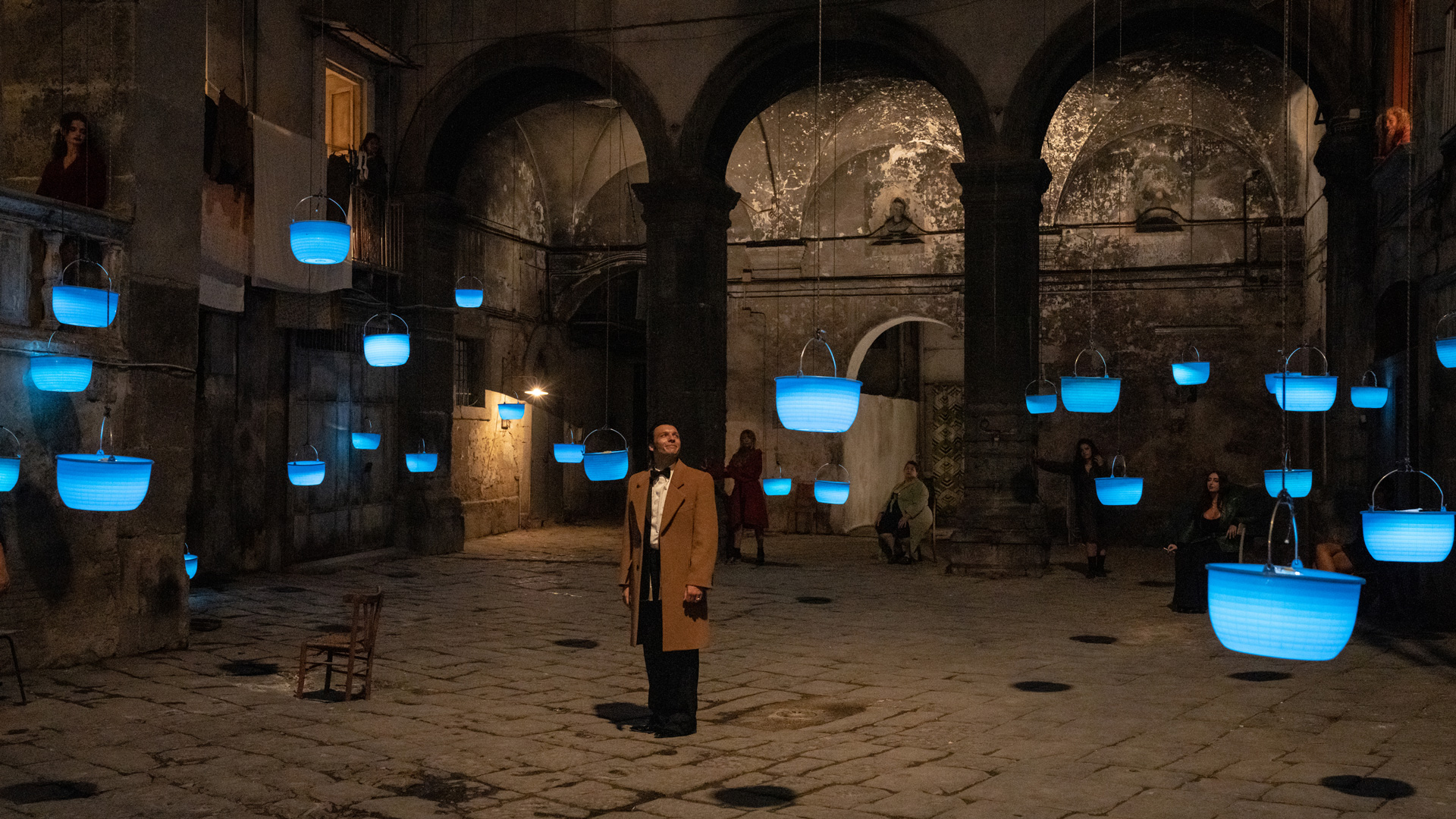
Naples is the ideal place for deluding ourselves that we’re living wonderful, unpredictable lives. The place where our life story seems, to adopt Manganelli’s perfect metaphor, like the underside of a carpet: we can intuit the design even though we can’t quite see it.
Our lives are never neat, never logical. It’s easy to lose our way in life’s vastness.
We try to see our lives. To grasp its design, to make sense of it. But life doesn’t see us. Life is always elsewhere. It’s exhausting, and it makes us uncertain. Mysterious.
And Parthenope, like all of us, is uncertain and mysterious.
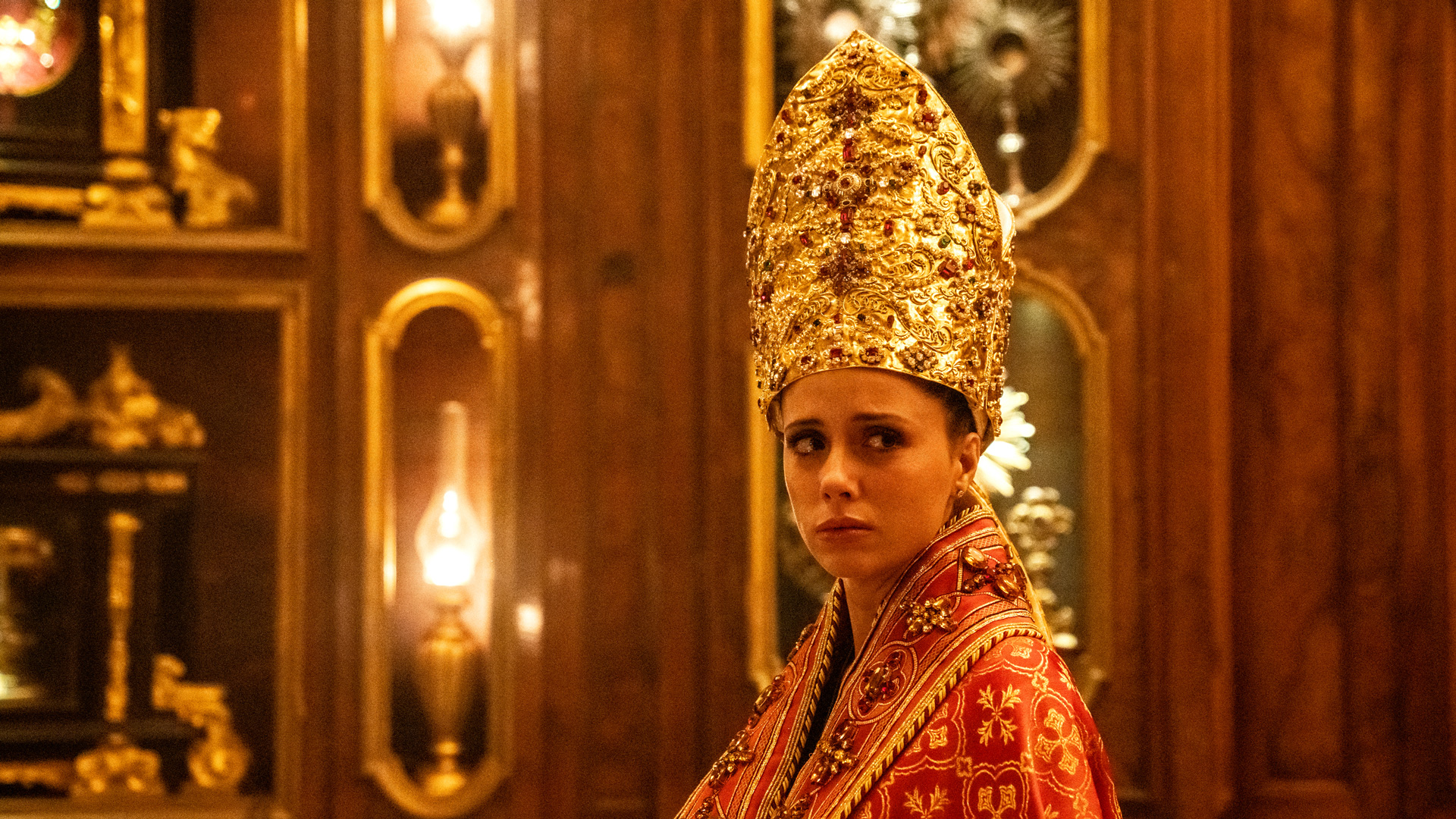
“Do you love too much or too little?” a demonic character disguised as a saint asks her at one point. He’s asking all of us. She doesn’t know what to say. Neither do we. Because all the questions have already been asked, and all the answers have turned out to be ambiguous, evasive, contradictory.
It is this lack of self-knowledge that makes us, in others’ eyes, a mystery.
Parthenope is a mystery.
First we let ourselves go, then we become responsible, then we are let go.
Such is the march of time. Such is the ambitious theme of this film: life’s unfolding, in all its euphoria and disappointment; love’s blossoming and fading; the end of melancholy and the beginning of desire. In short, the entire repertoire of life, or whatever of it is possible to convey in a film.
And so, with the passing of time, even life in Naples, as astounding and unpredictable as it is, grows stale. Youth, with its charged glances and emotional farewells, has abandoned her. The Bay of Naples has become nothing but water. Its wonder has faded.
The grand deception deceives no longer. She finds herself alone.
One becomes what one is, as Nietzsche says.
So Parthenope leaves Naples for a more anonymous place.
She’s an adult now, with a job. For forty years, she goes to bed early, as Proust and De Niro said. She loves too little.
When, at seventy-three, she retires, she must change again. She must learn to see her past, to recognize the sacred within her. To love too much. Or to at least imagine doing so.
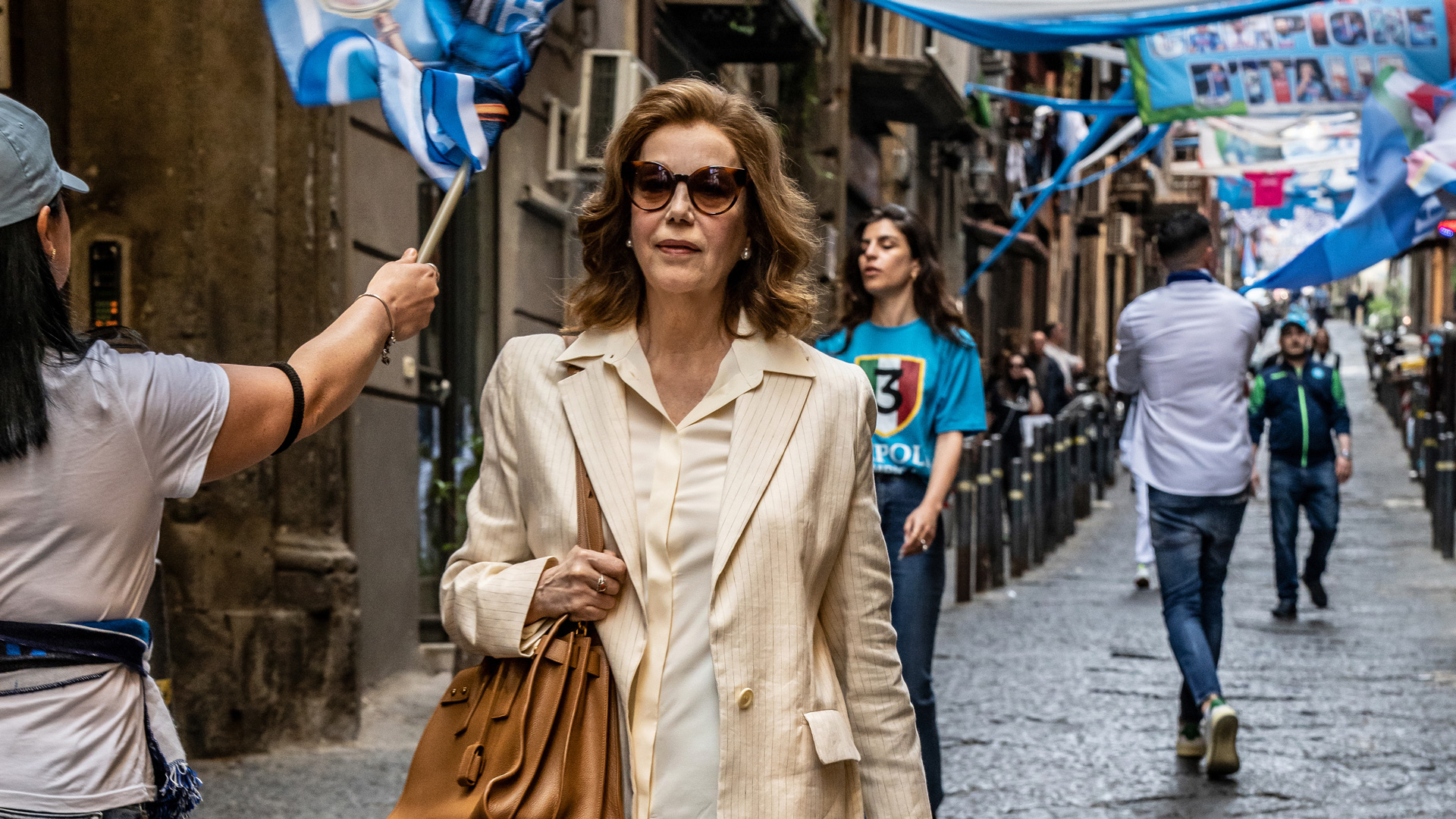
So she returns to Naples, that aloof, wild city that never changes. Naples, which still knows how to deceive, which offers us the only feeling that keeps us alive until the end: the ability to be amazed.
Parthenope sighs. Just as she did as a young girl.
Paolo Sorrentino