My brilliant friend – Those who leave, those who stay
TV Series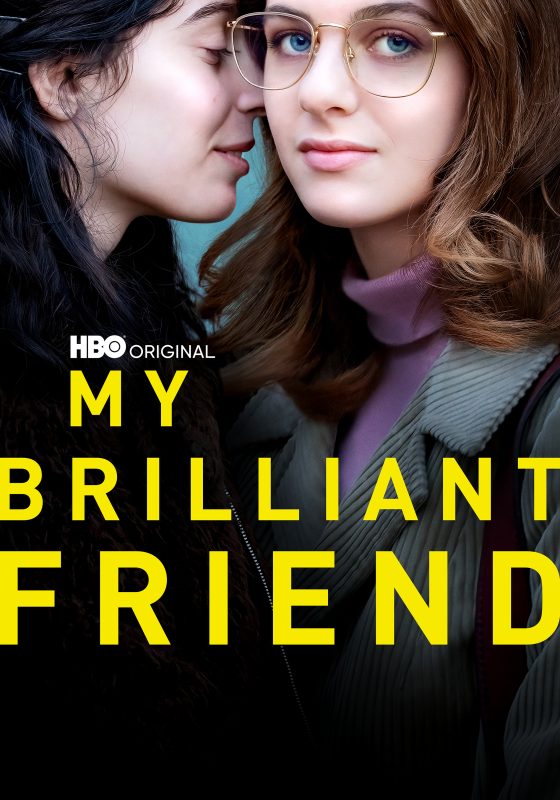
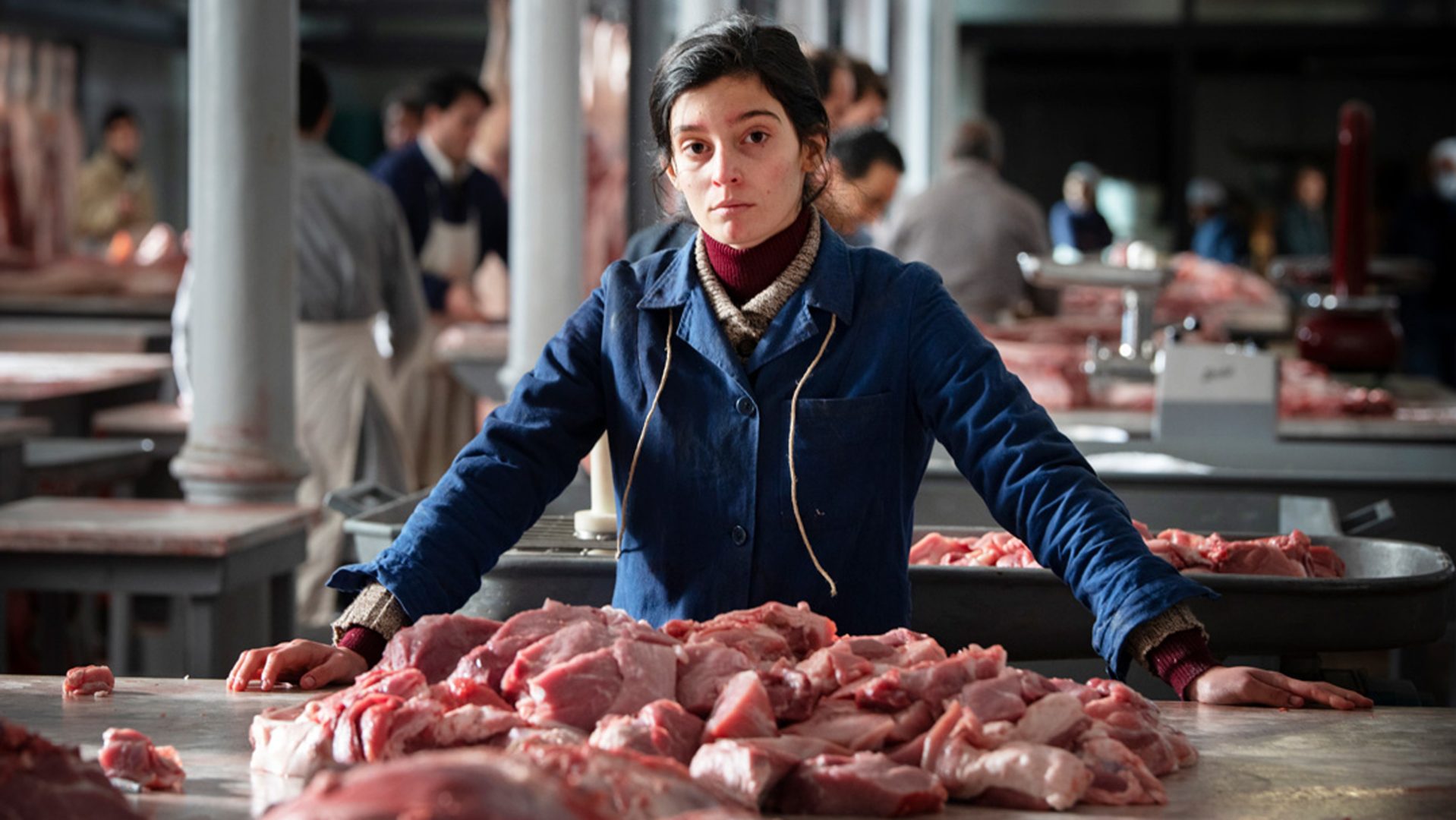
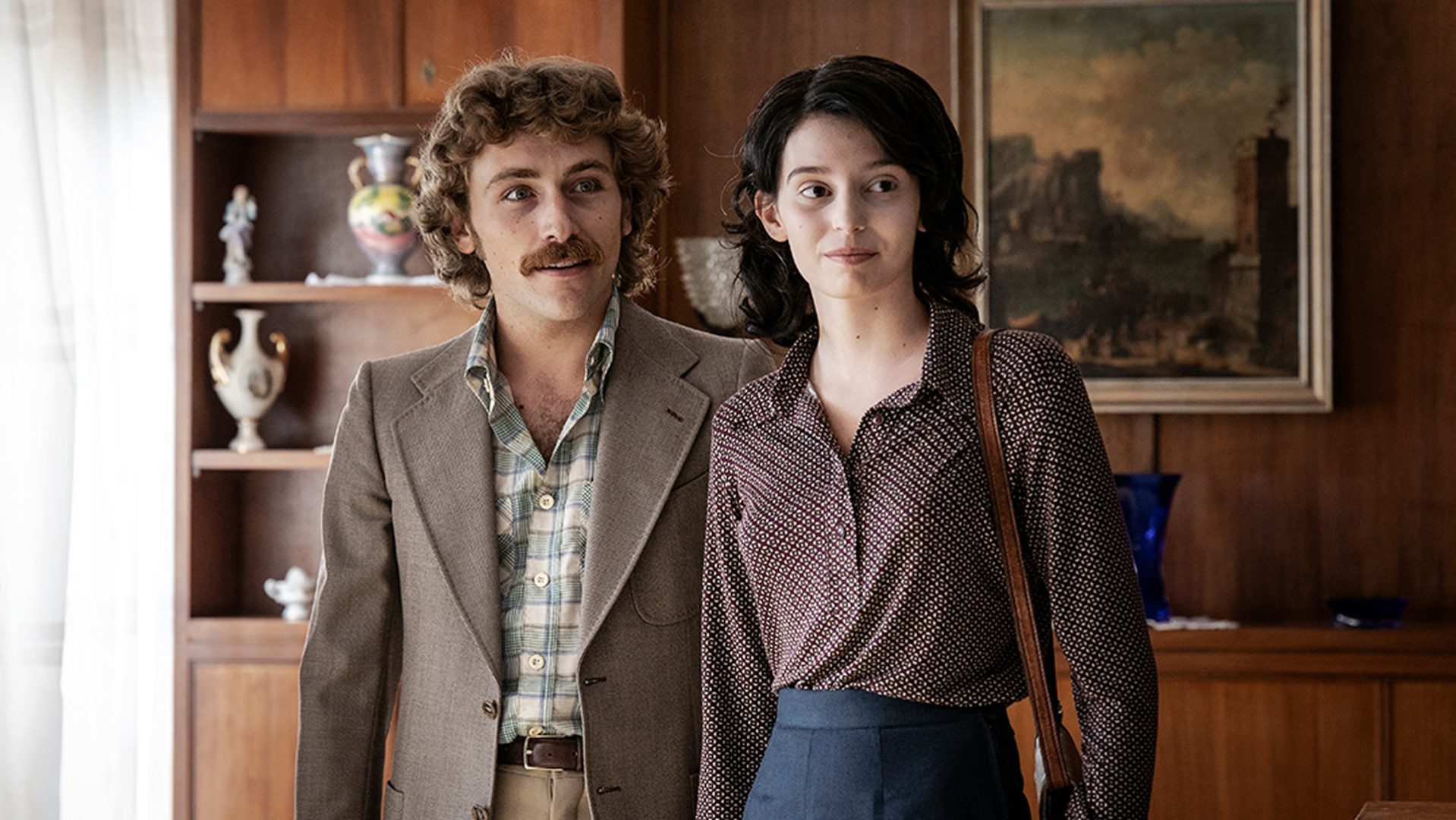
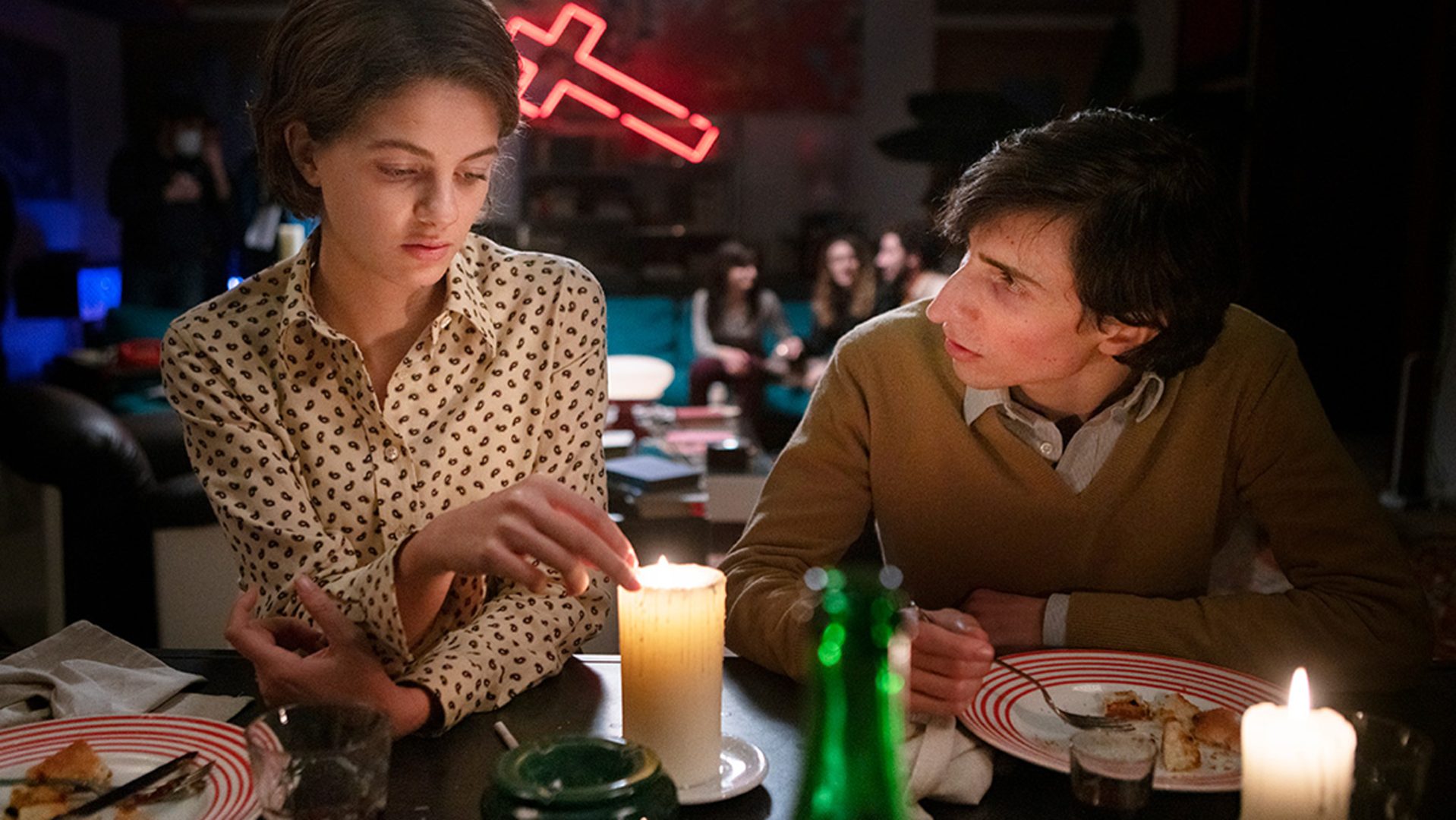
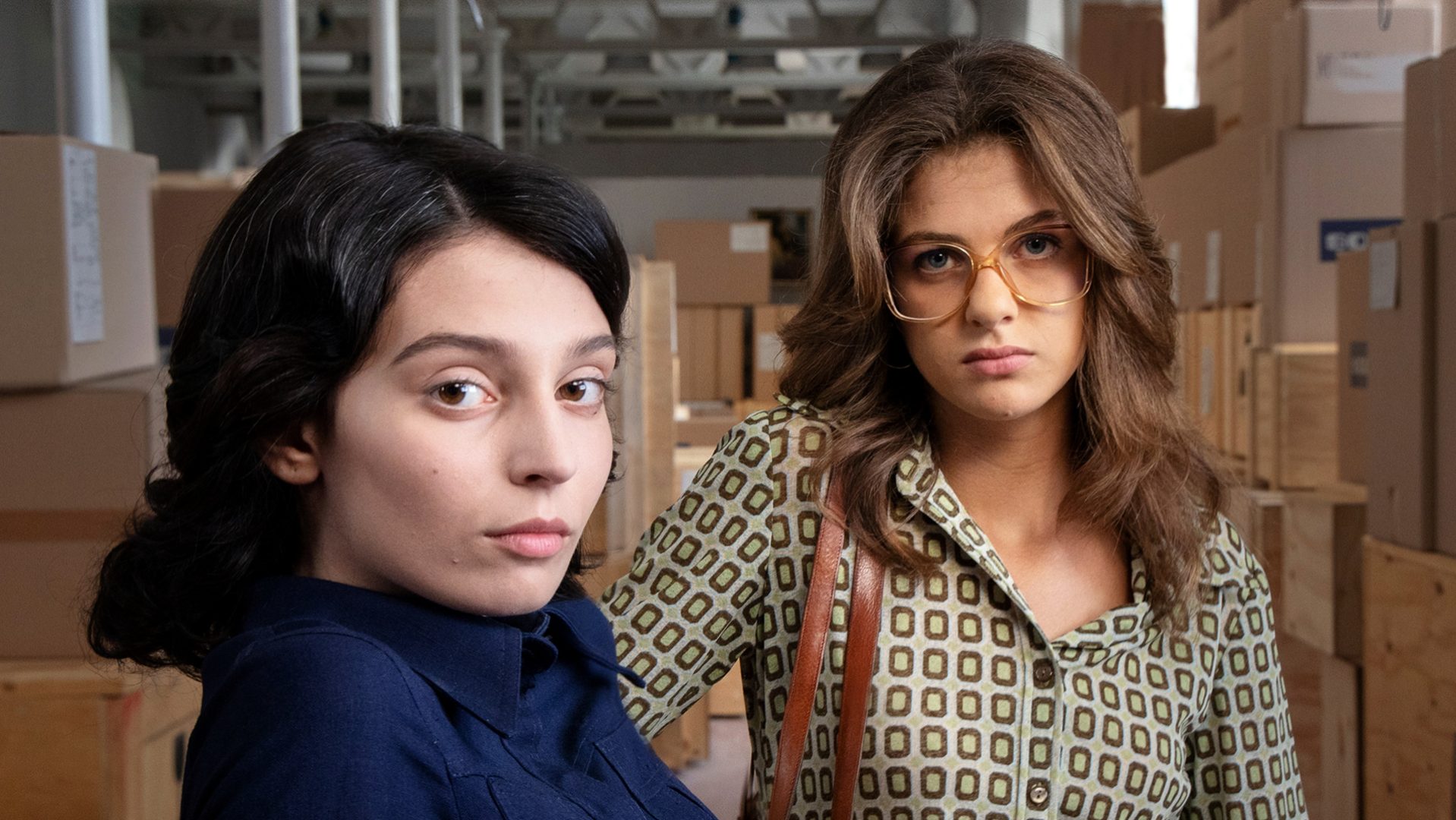
'The Story of Those Who leave and Those Who Stay' is a great novel that – while I was shooting – I defined as "domestic epic." Because every day I tried to hold together two elements: what I remembered of personal family dynamics in those years (the domestic), and the echoes of history entering the home while everything outside was trying to change (the epic).
My intention was to truthfully and interestingly tell the attempt at "liberation" of women of that era.
To me, those distant years seemed close due to my age, but it wasn't the same for the actors. I often found myself explaining to people much younger than me what the cultural revolution of the 70s had been, and asking them to identify with those attempts at change and dissolution, so as to credibly represent the doubtful energy that constituted its essence.
I had to explain how one speaks when speaking of ideology. How to deliver a political speech without becoming ridiculous. How to make the audience believe that the characters are experiencing a cultural upheaval that started in the conventional 60s and led to a new way of seeing things.
The main work involved Margherita and Gaia, who play Elena and Lila, and who, despite their young age, had to represent women who grow up, who change, who experience desires and maturity of women older than them. Their talent allowed me to maintain not only great credibility but also to show what was common in the 70s: families younger than contemporary ones. Our mothers and fathers were little more than teenagers when they had children and set up home, and this cast brilliantly brought that to the screen, stimulating their emotions in areas they had not yet experienced.
'The Story of Those Who leave and Those Who Stay' decided for itself how to be made as I answered this and a thousand other questions. The character of Elena Greco, around whom everything revolves, transformed imperceptibly, step by step as the actress grew. In this season, Elena seems to advance, and at the same time regress every time she interacts with the characters from her previous life. While Elena is in Florence, where her life could start anew, she allows herself transgressions, gains decisiveness, maturity, strength, and when she returns to Naples, amidst her family and the eternal conflict/friendship with Lila, she seems to regress to an infantile wonder. One step forward, one step back in oscillations that resemble those of each of us.
I maintained the characters' trajectory, venturing into my interpretation of their evolution. I changed the Italian landscape that hosts them, bringing the narrative as much as possible outdoors, adding the style of street cinema to that of the studio.
In telling this decade's story, I used the cinematic procedures that fascinated me as a teenager, those of the 70s, just as the first seasons were blessed by the influence of neorealism. In directing the actors, in the camera work, and in the use of color, I imagined working in "those" years.
I tiptoed into a series that already had a pantheon of authors behind it: Elena Ferrante, Saverio Costanzo, Laura Paolucci, Francesco Piccolo, and an army of actors who were already the characters before me. Yet, when I had a question, I preferred to pick up the novel in search of solutions. On the pages, instead of answers, I often found other questions. Ferrante's books have this charm of elusive precision, which leaves freedom of interpretation within an implacable and always acutely true psychological framework. Her books are cosmos-like books, containing everything, and allowing many types of readings without the underlying inspiration being lost. No matter how one looks at it, the story of Lila and Lenù is always the same and always different, profound, subtle, and popular. Having the honor of simply filming the truth of their transformation has been a source of inexhaustible pleasure.