M – Son of the century
TV Series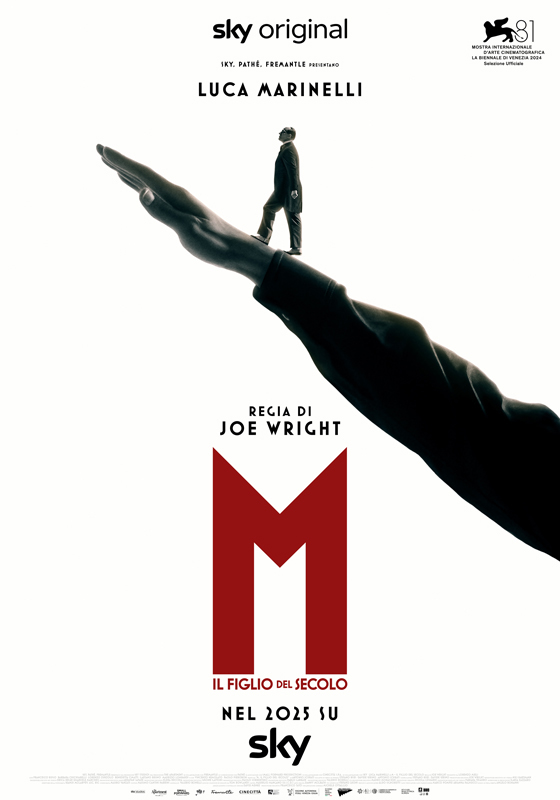
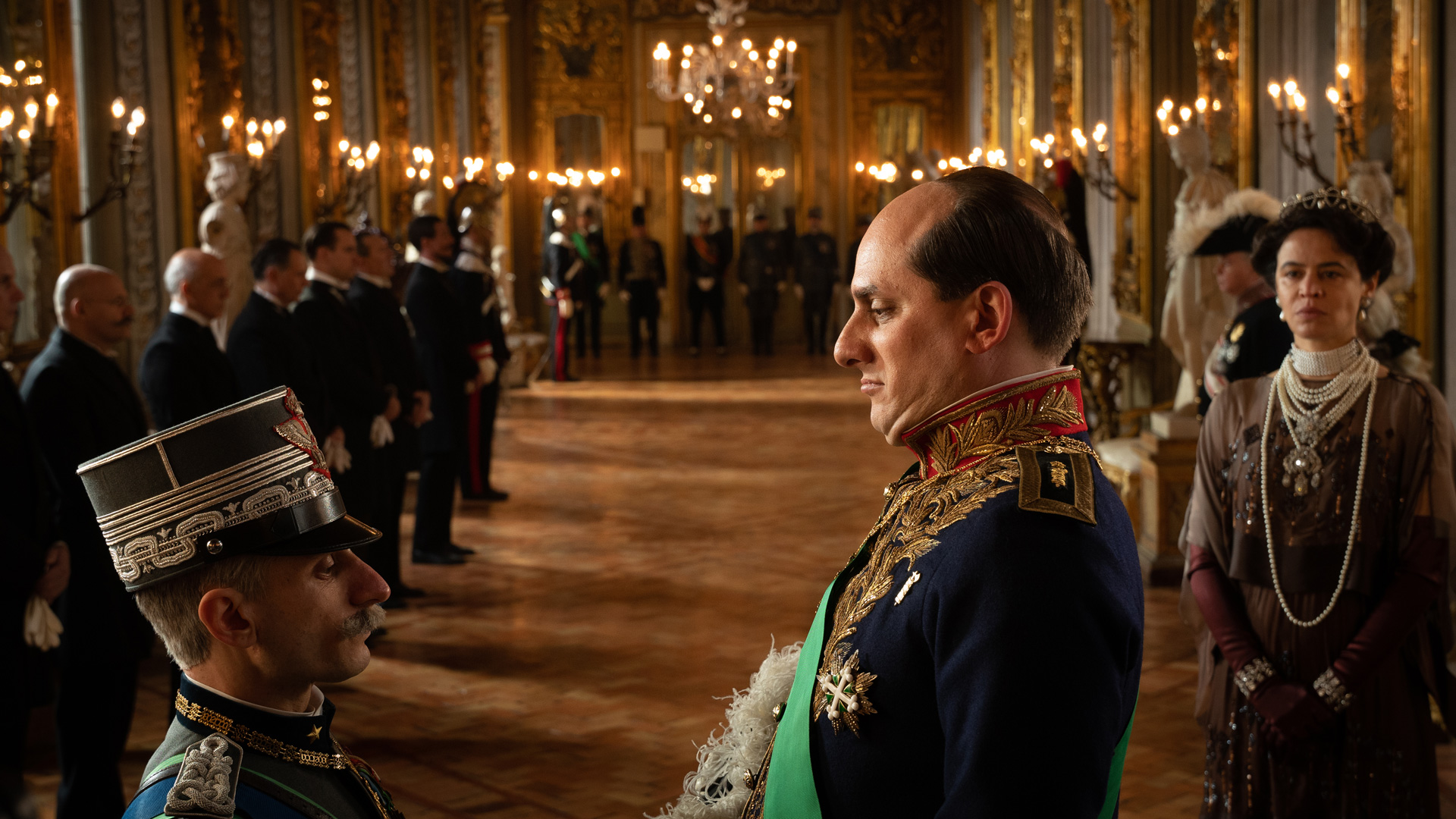
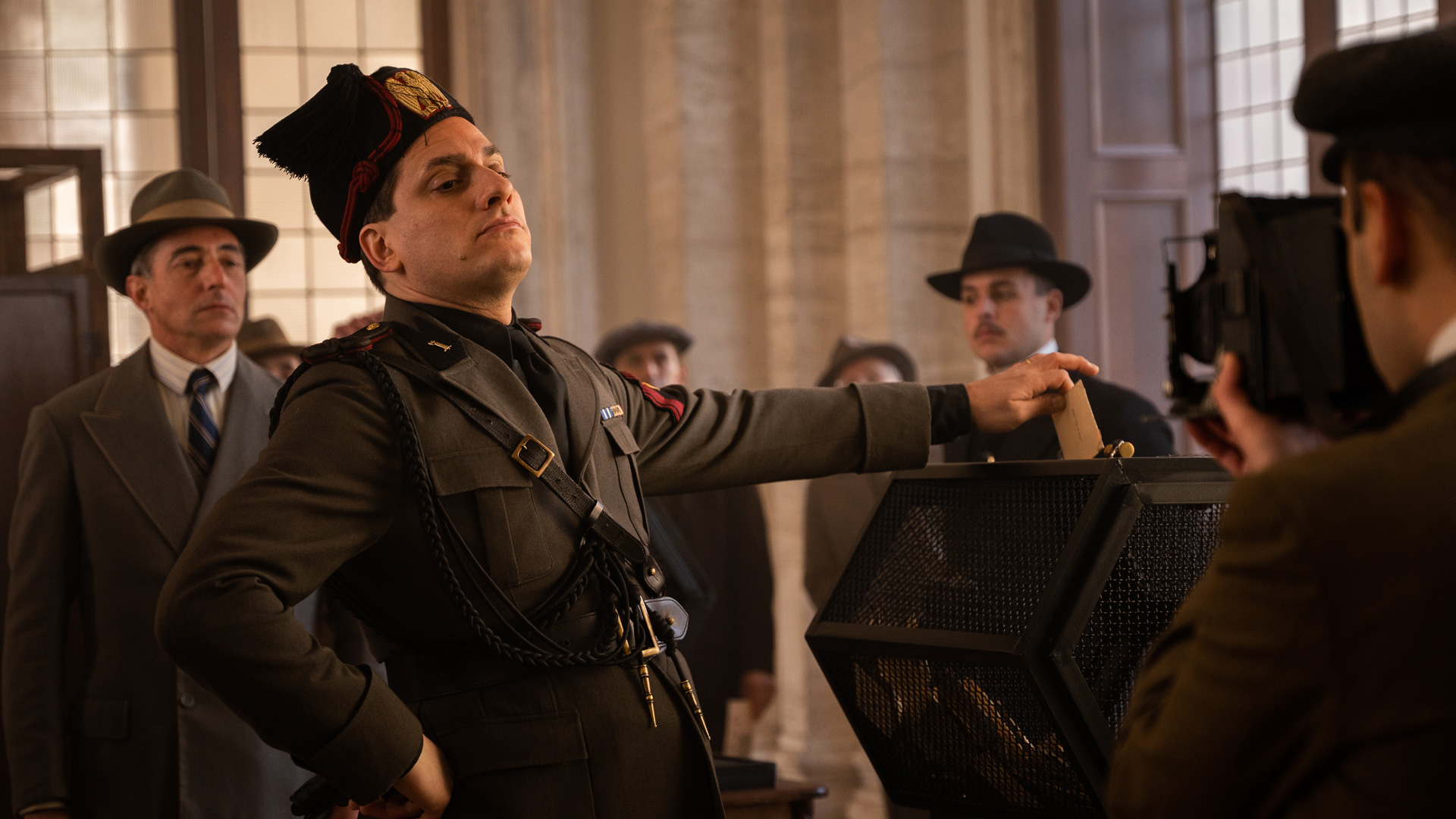
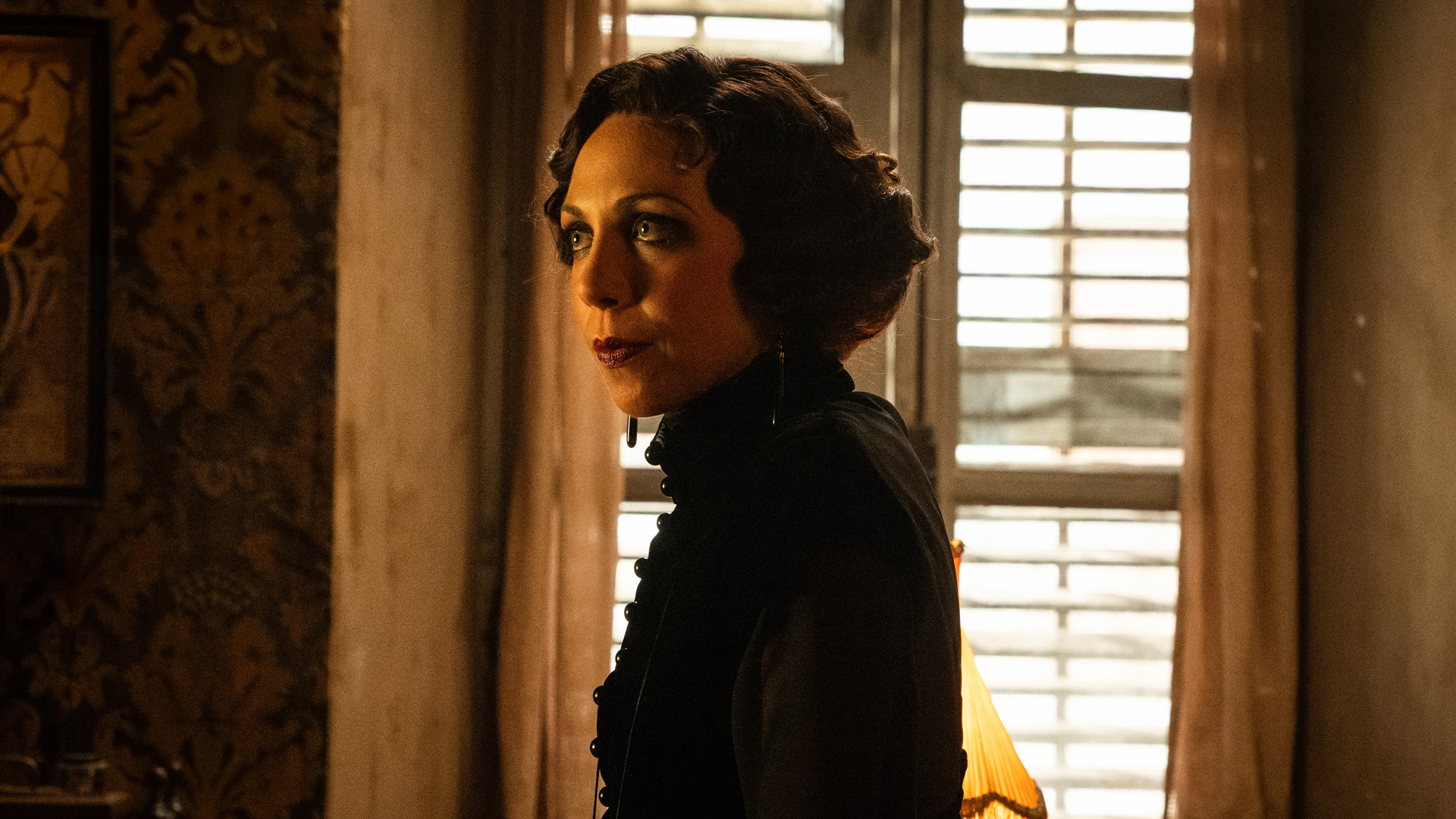
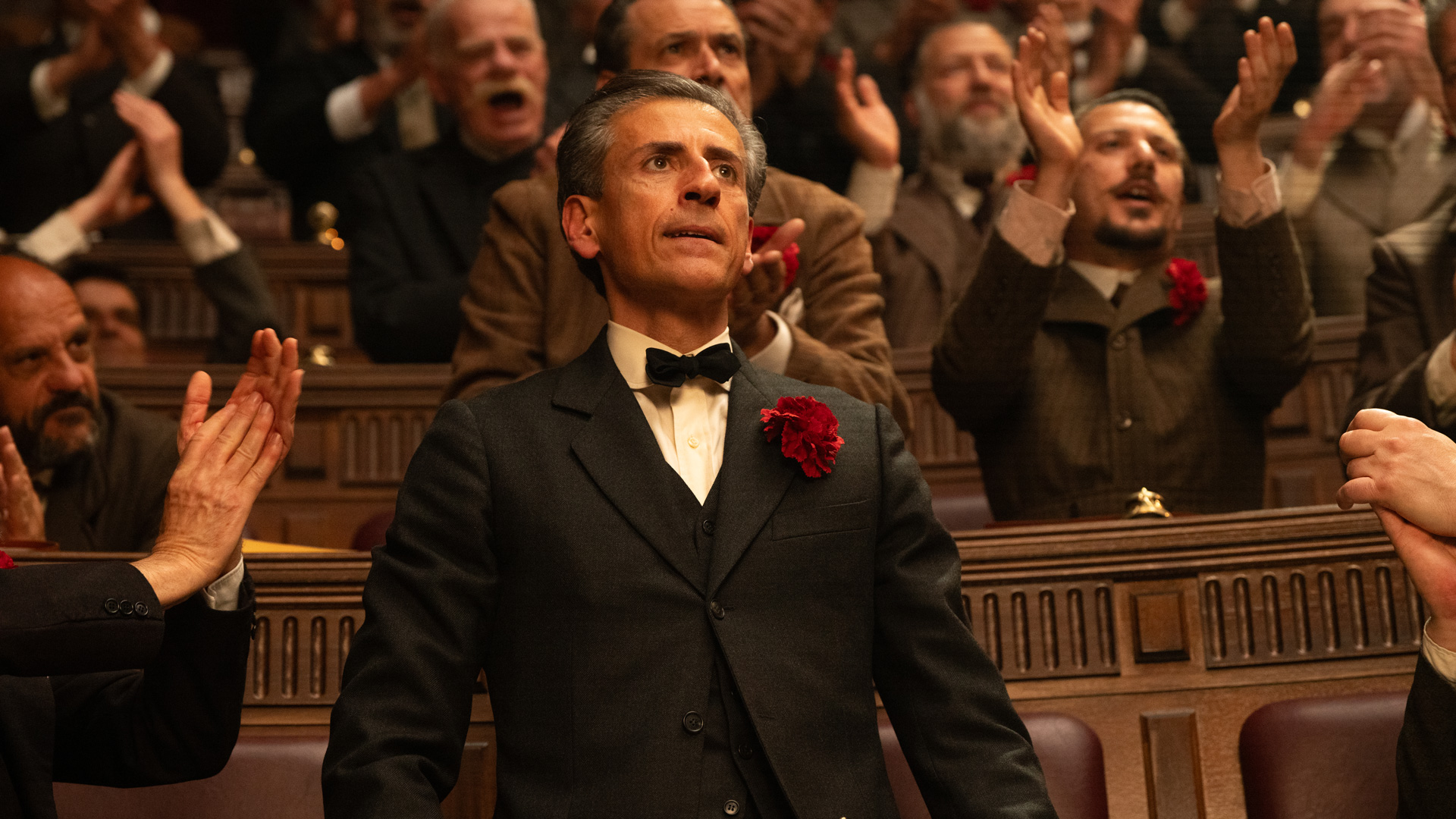
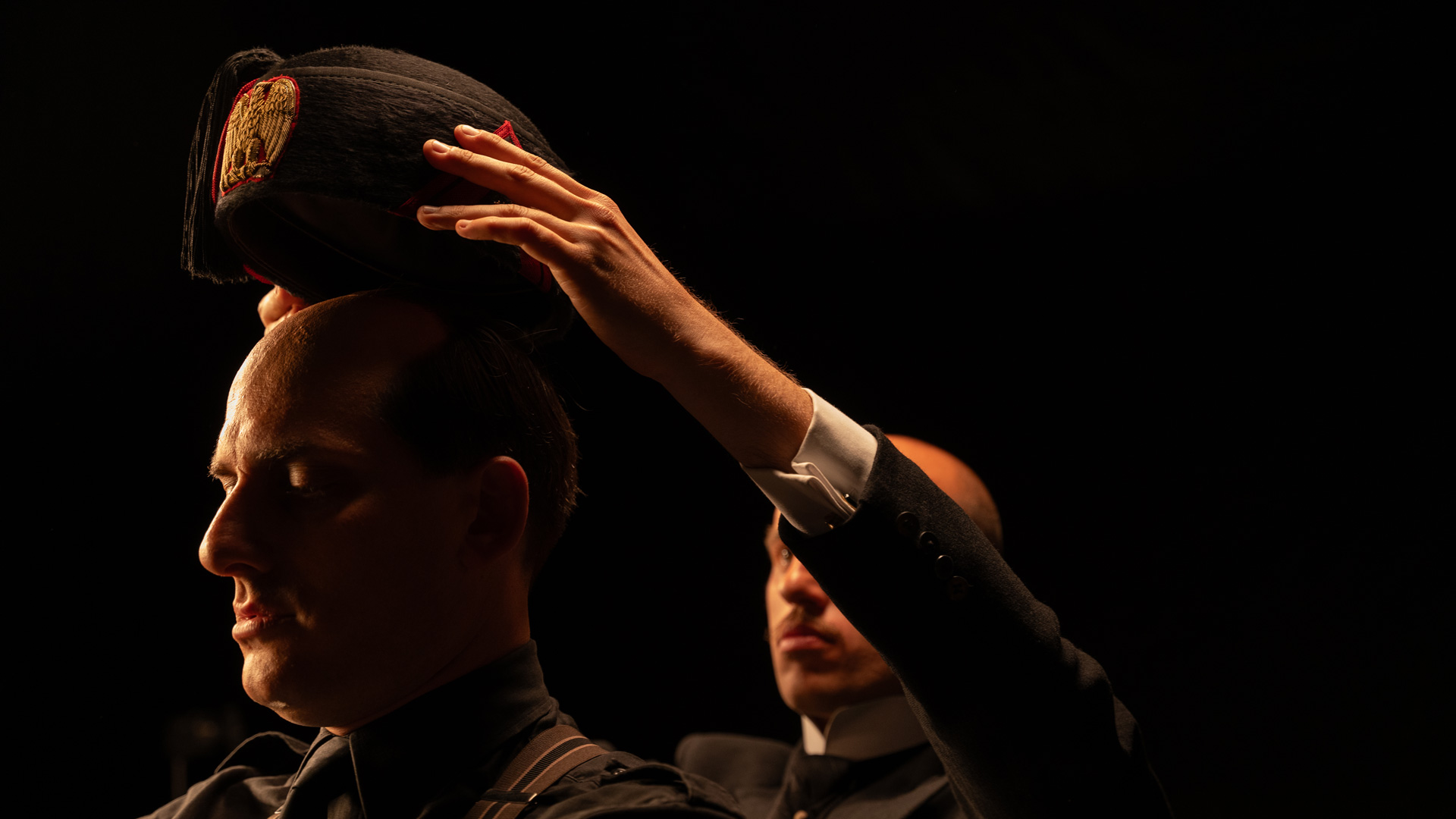
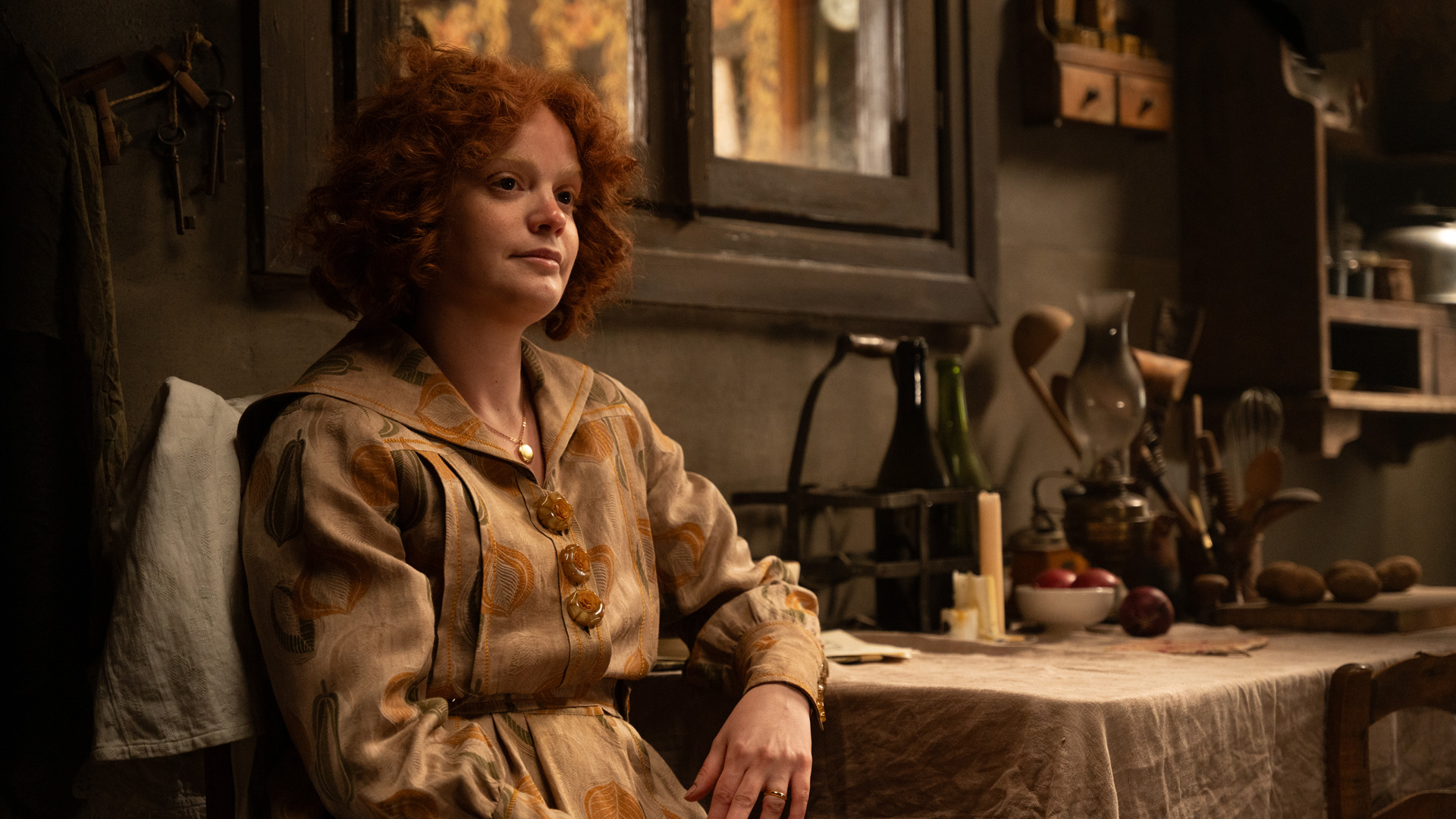
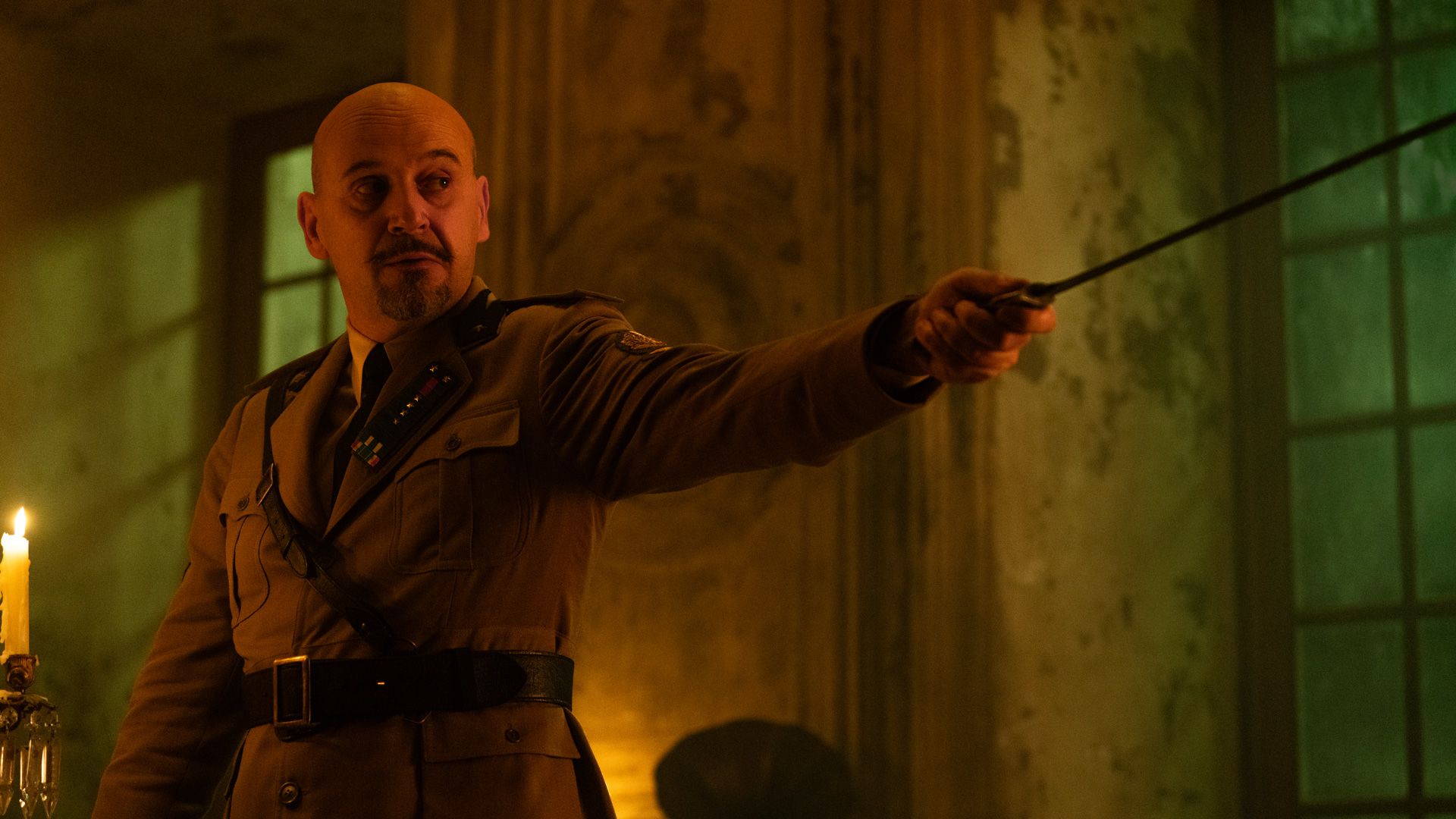
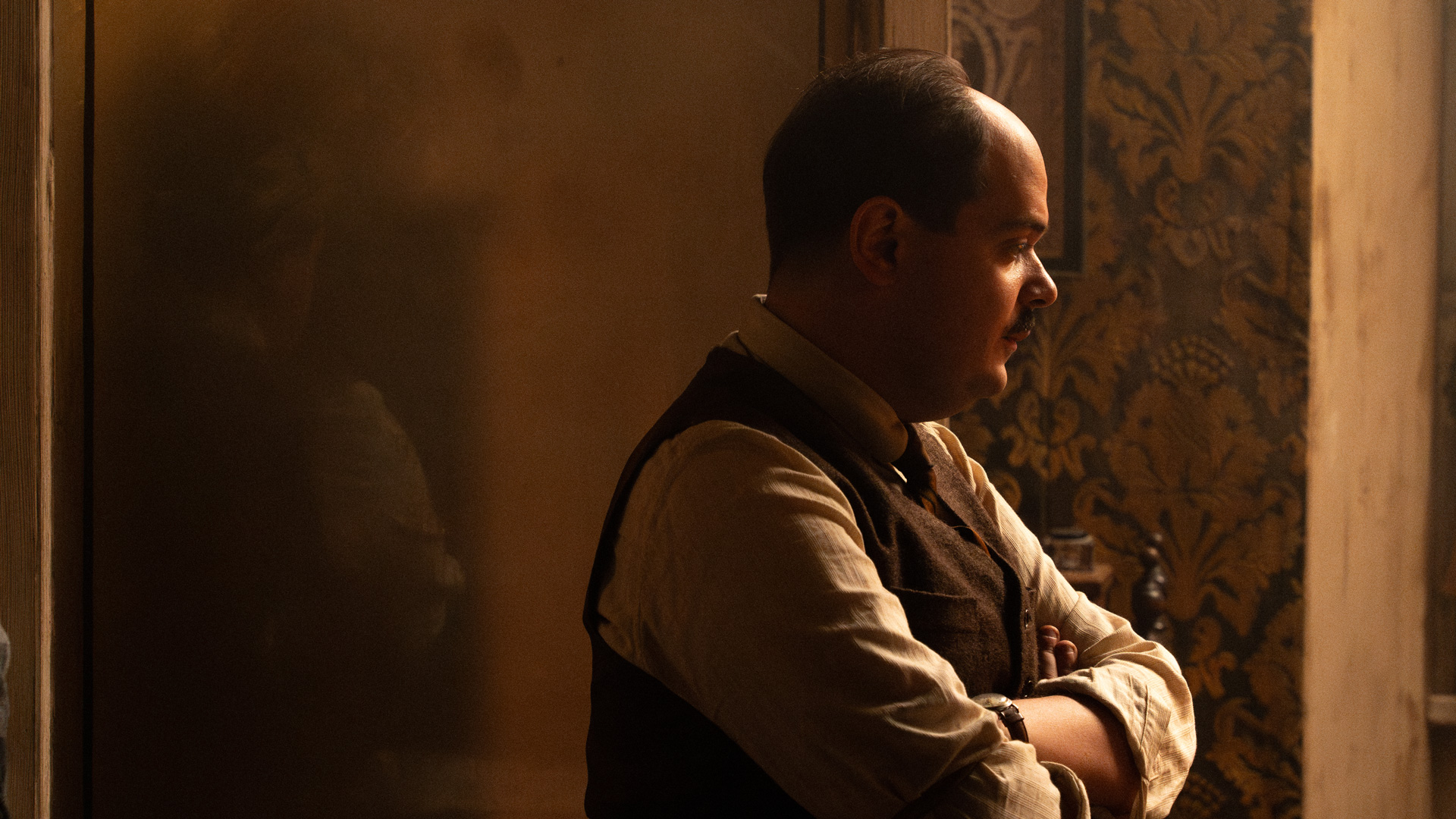
Well before I agreed to direct M, before I even heard about it, there was a moment when I was very fascinated by that historical period, I felt like a connection. My father was born in 1906, so he experienced that period firsthand, and I think my fascination with the period between the two wars and then with the Second World War derives from my desire to understand my father better, to understand the world in which he lived.
Lorenzo Mieli, producer of M, suggested that I read the screenplay by Stefano Bises and Davide Serino. Intrigued, I then read Antonio Scurati's book and began to want to read more. But surprisingly, there is very little about Mussolini, for the "layman," in English. For the English he is a peripheral character, he is mostly seen in a caricatured key, as a buffoonish sidekick of Hitler. Instead, he was the inventor of modern populism, as well as a model for Hitler.
I had the privilege of bringing an external point of view to this story, being able to look at the figure of Mussolini very clearly, with an unconditioned eye. I always thought that the best documenter of British life was Bill Brandt, the German photographer, so I kept him in mind when I had doubts about my right to tell this story. But it is not up to me to give lessons to Italians about their history, I have nothing to teach Italians. All I can do is put them in front of a mirror.
I'm very proud of the series. The serial format gave me time to really dig into the characters, especially working with Luca Marinelli, who I think is a genius. Having the time and space to really dig into the character of Mussolini with him was a great privilege.
At first, the script had many parallels between our story and contemporary politics, but at some point we had the feeling that we were adopting an almost paternalistic attitude towards the audience's intelligence. Better to just do our job and present the facts, tell the story in the most accessible and exciting way possible, and let the audience do what they want with it.
I don't think the series will necessarily ever convince a fascist to abandon fascism. But at the same time I didn't want to preach to converts, I didn't want to break down a door that was already open. What interests me most is to talk to people who are in the middle, to the undecided or to those who have not thought much about it, and present the story to them, hoping to encourage them to think about it more and not to be seduced by the politics of fear.
Joe Wright