My brilliant friend – Story of the lost child
TV Series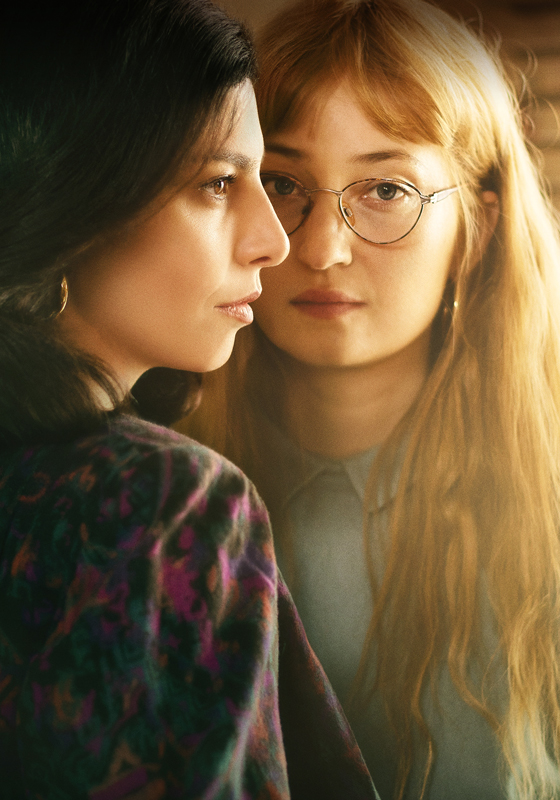
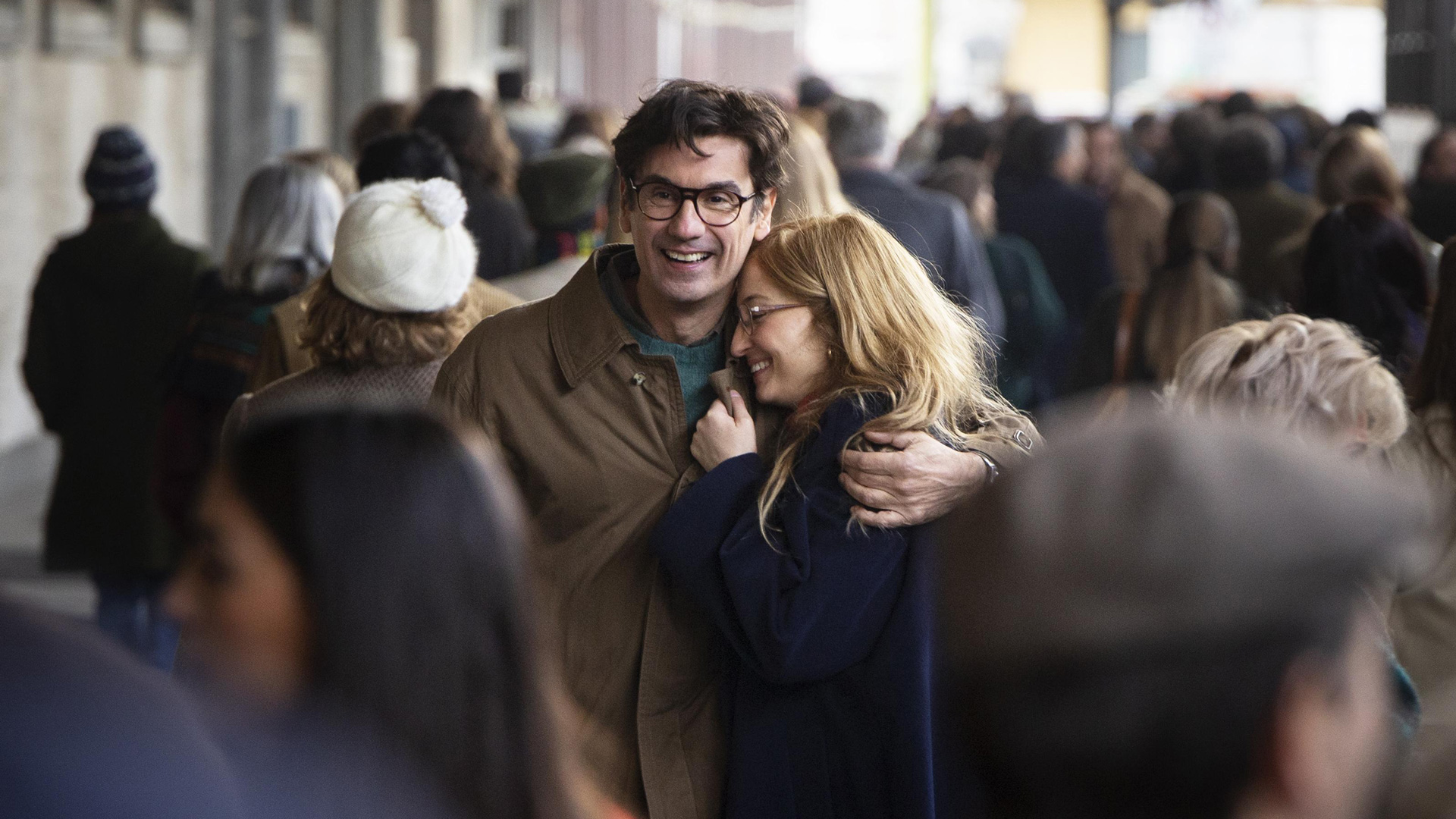
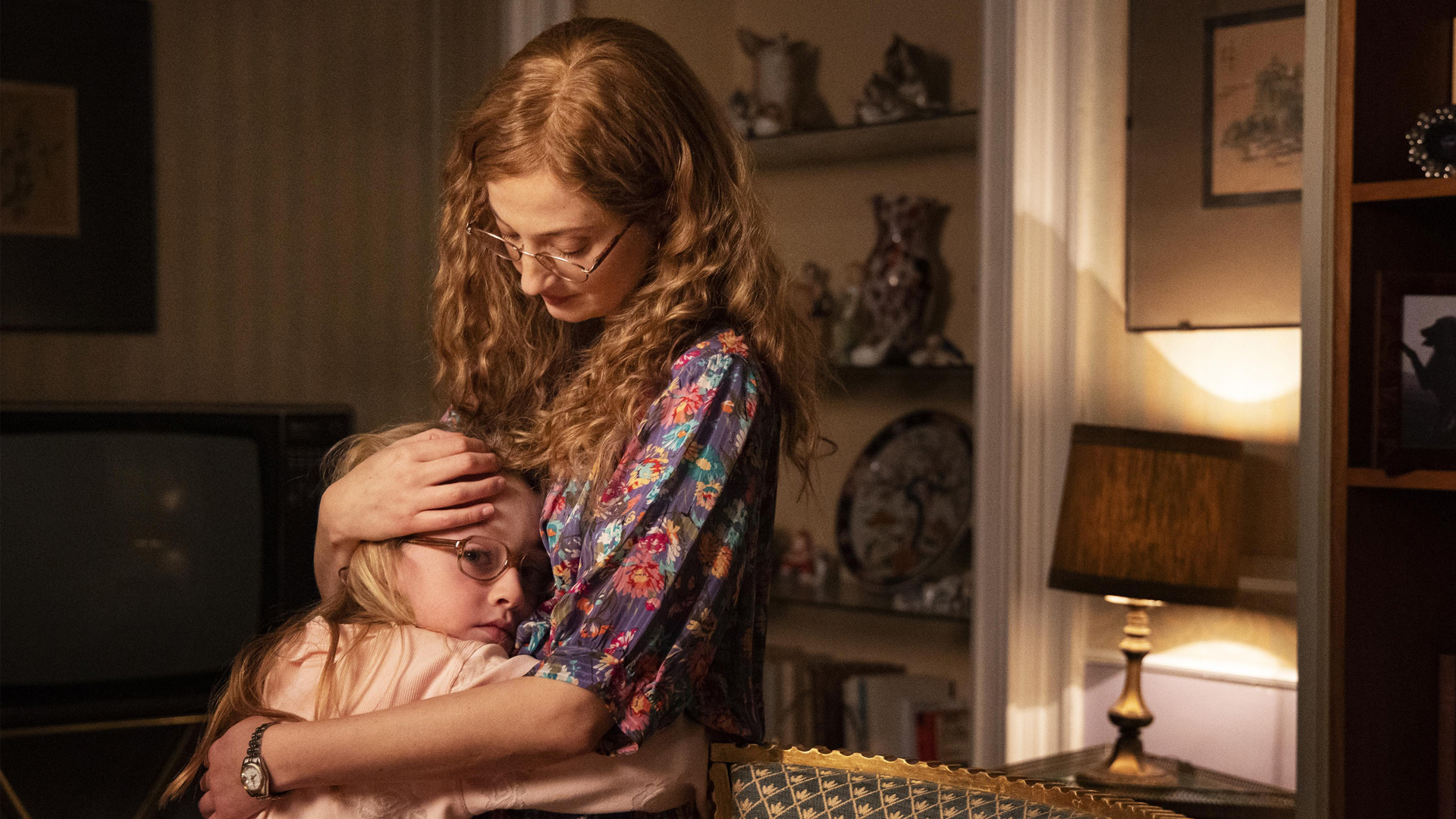
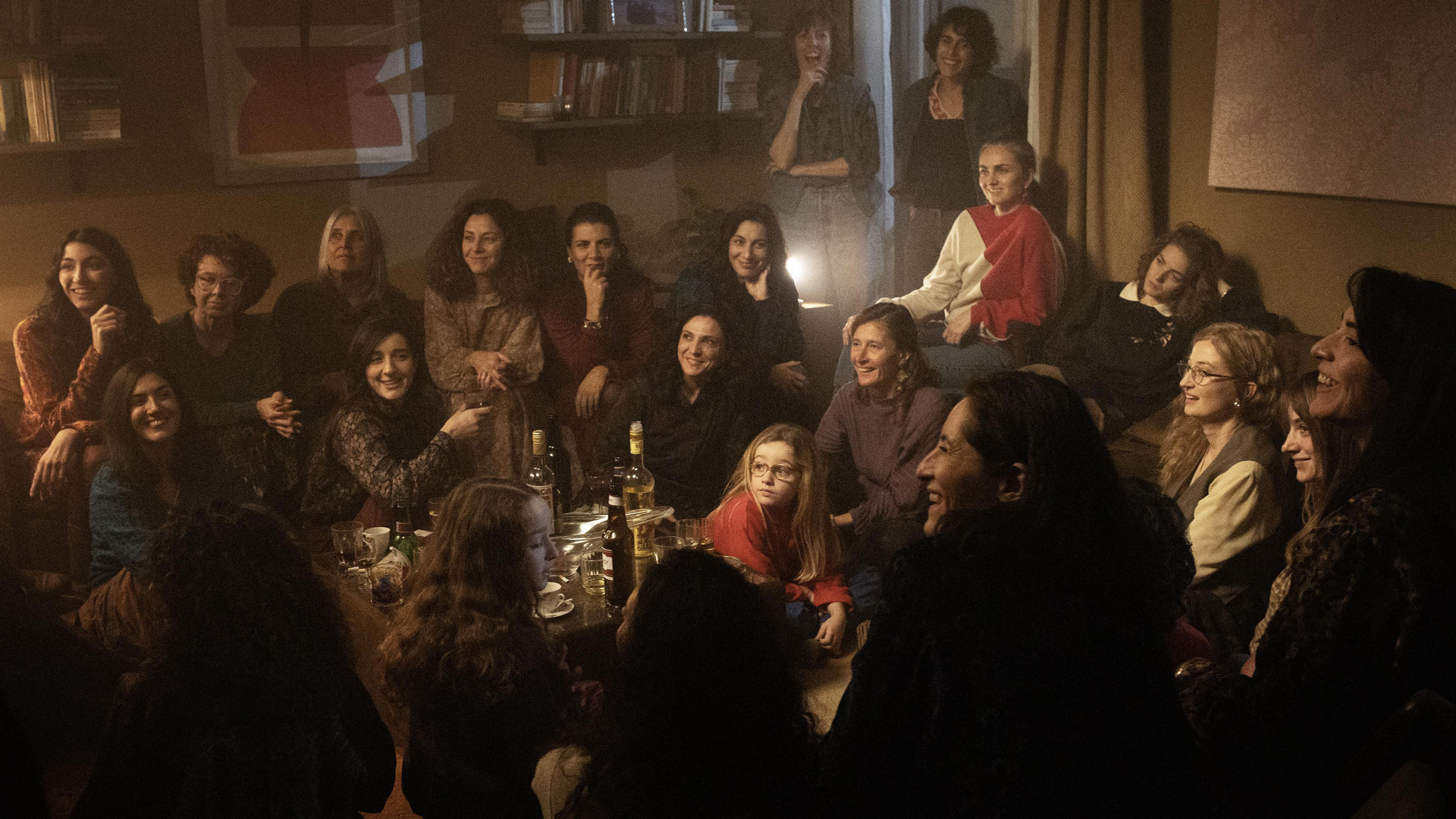
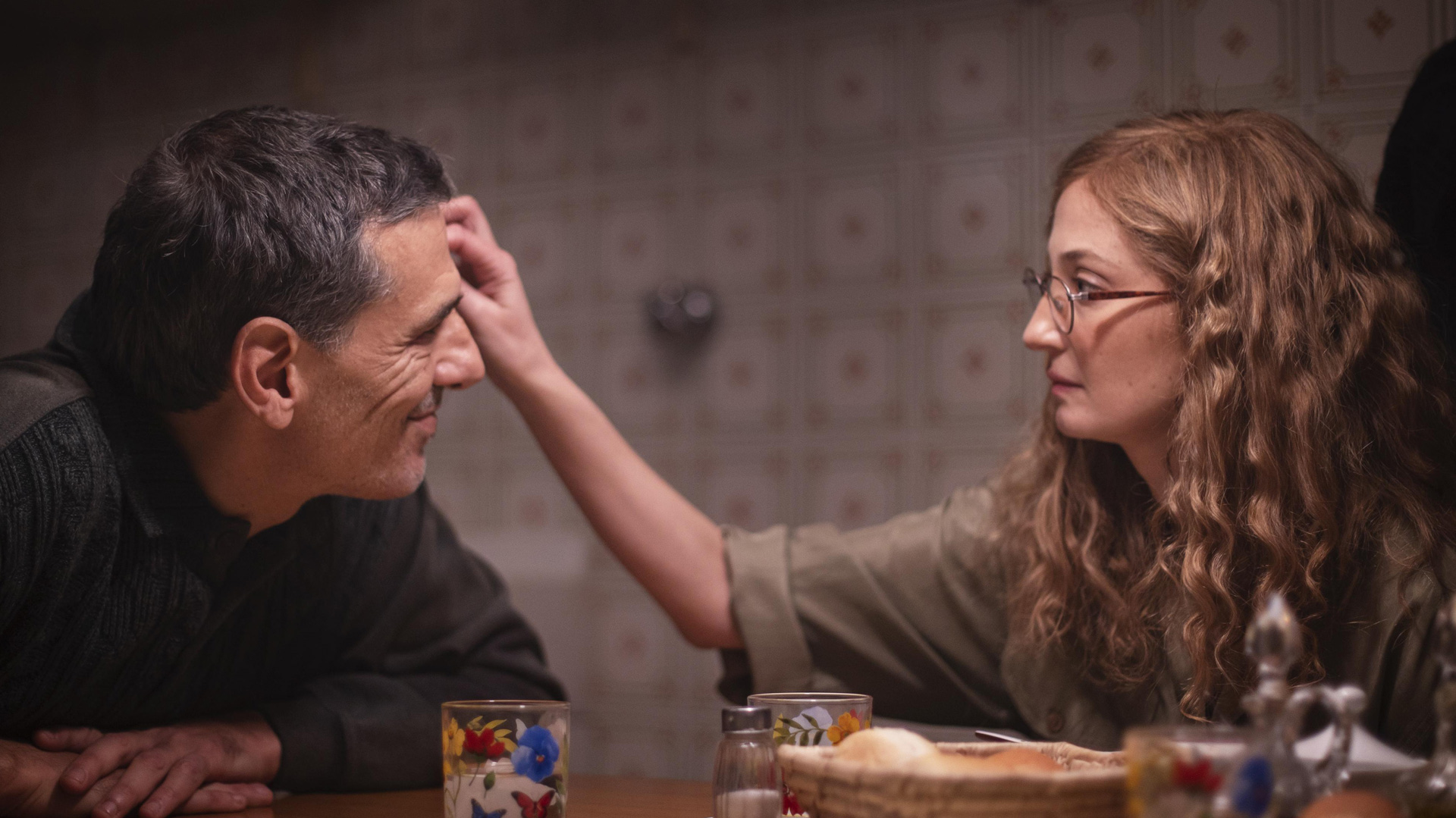
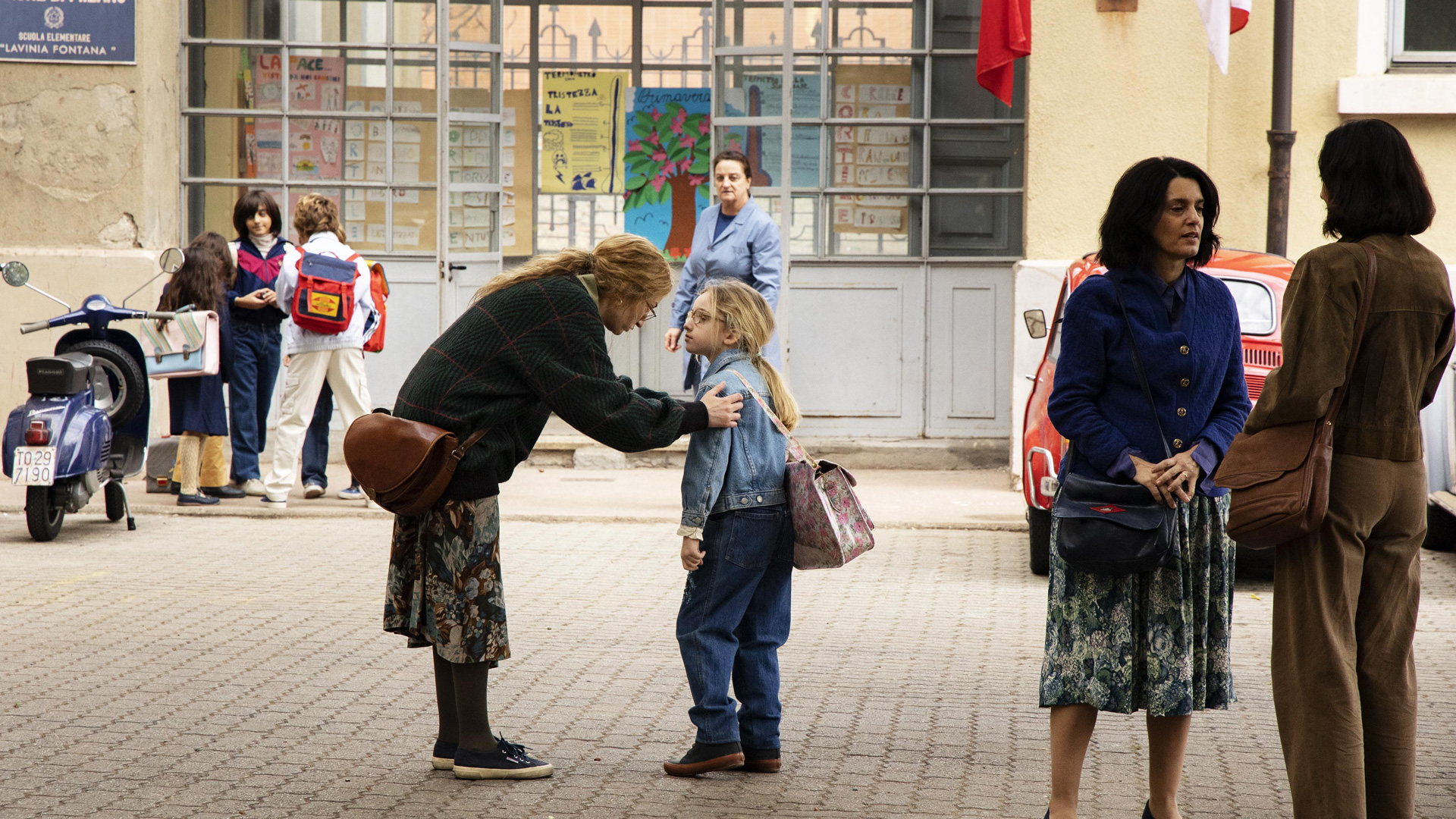
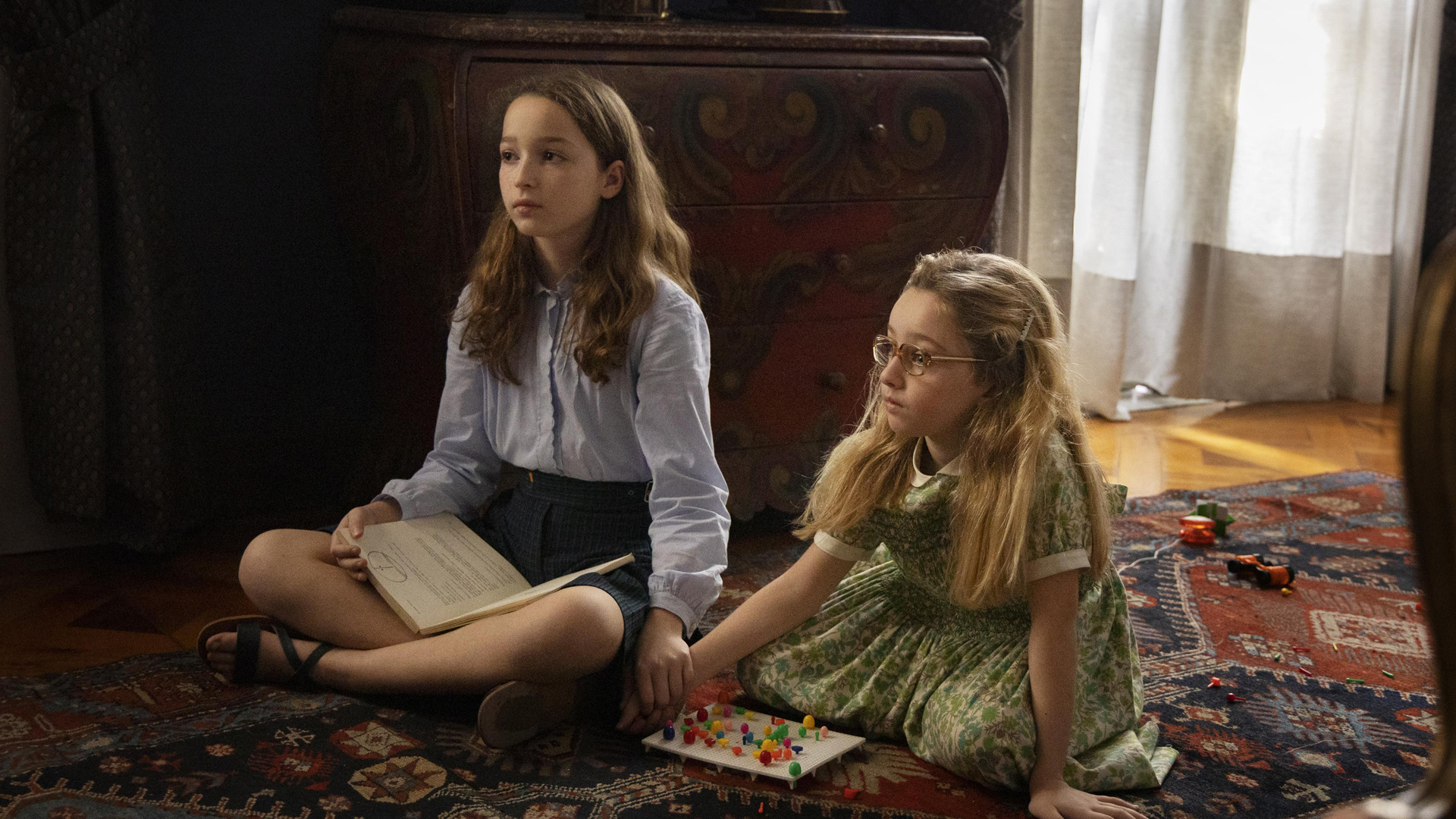
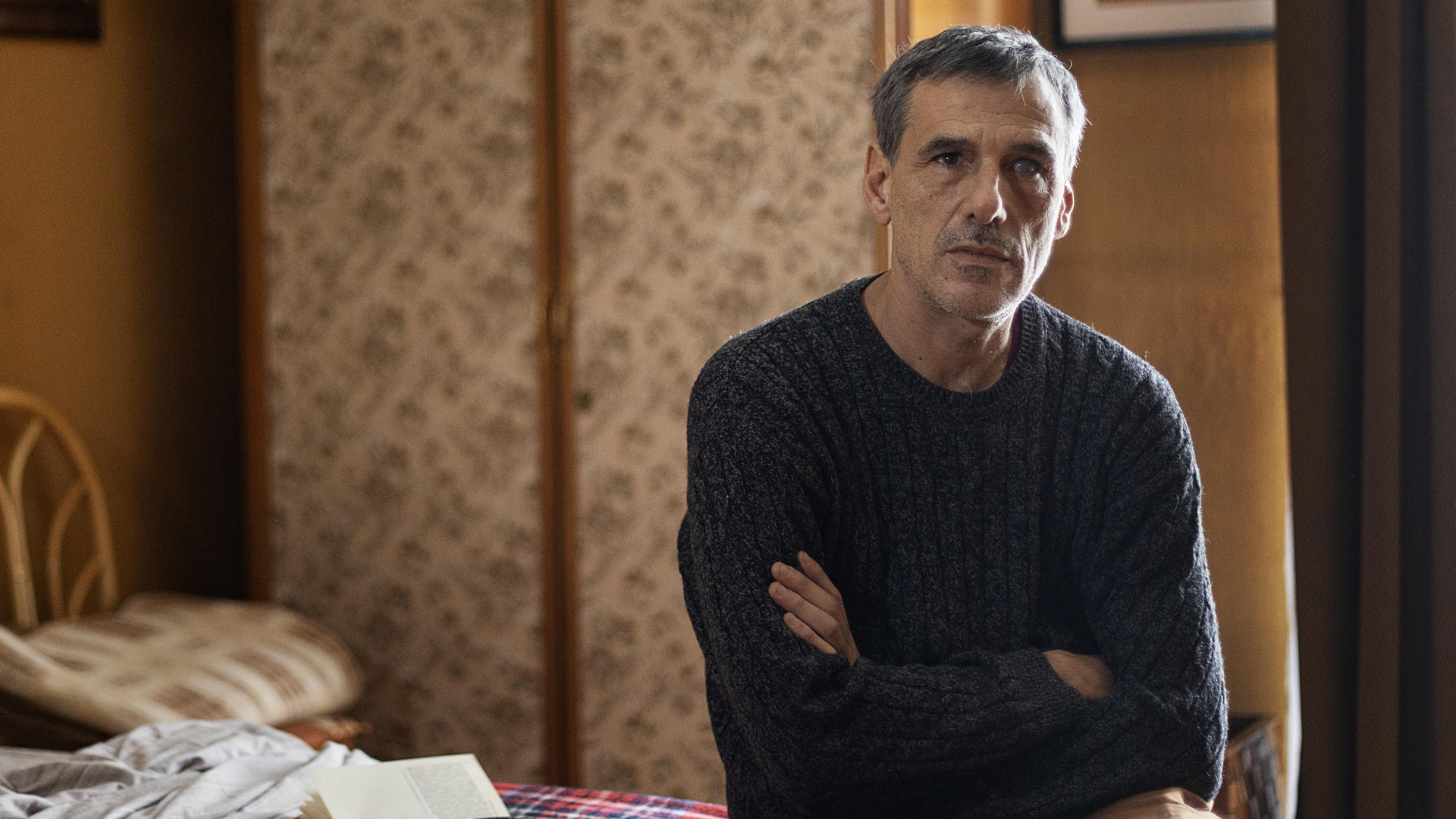
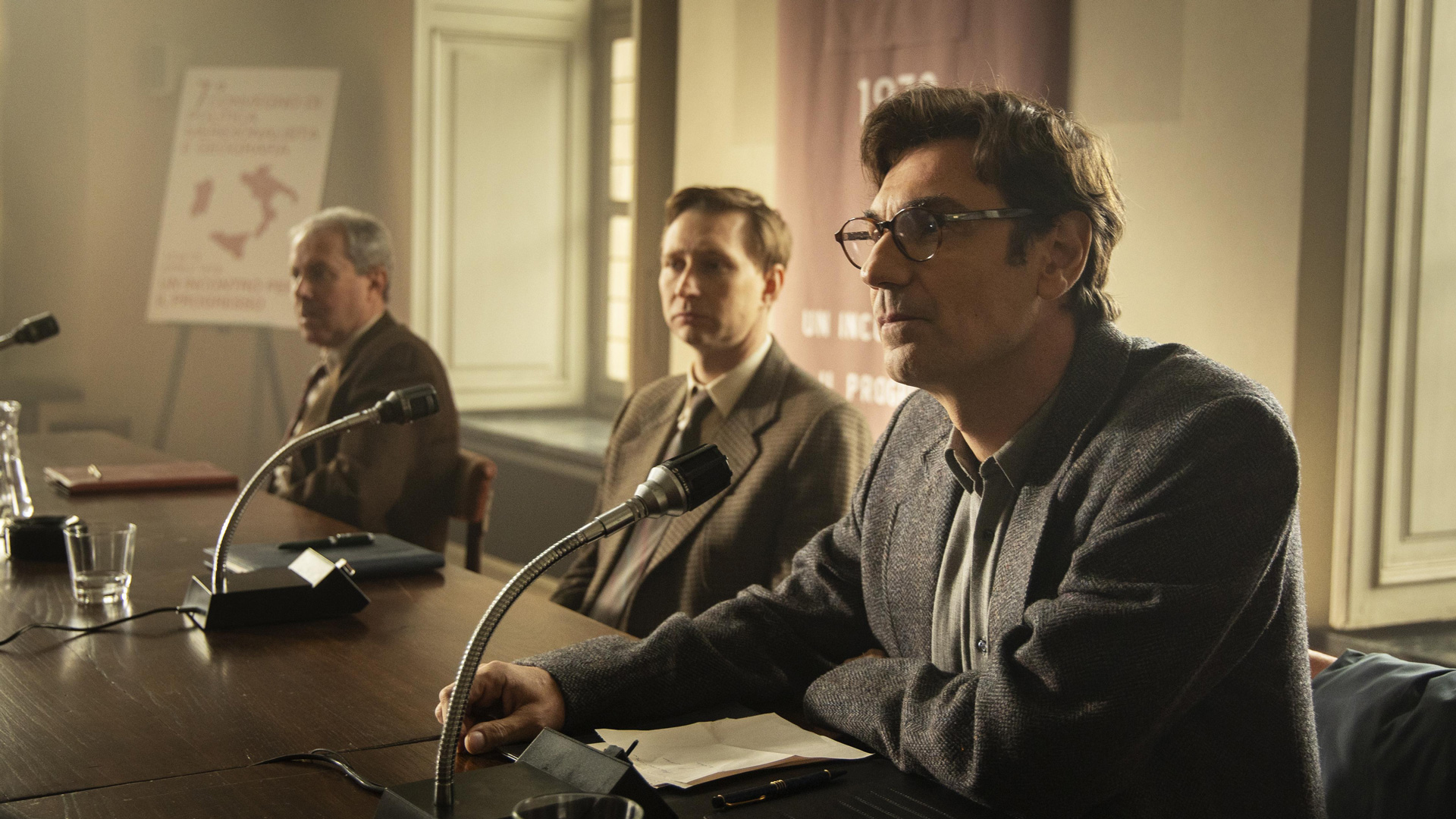
When Saverio Costanzo asked me if I wanted to direct the last season of My Brilliant Friend, it seemed like the fulfilment of a wish I'd had years back when I found out that a series based on Elena Ferrante's novels was going to be filmed.
So, I immediately decided to take on the formidable challenge of shooting all ten episodes from the fourth and final book of the Neapolitan Novels, to enter Ferrante's world and to immerse myself in the world of the series.
The most important thing for me was to strike a balance between the previous seasons and the new one I was building.
The basic principle that makes me believe in this project heart and soul is sincere direction. Essentially, I do not believe in pre-calculated operations but only in adhering to the subject matter of the story I am telling. The deeper and more authentic this adherence is, the more the work will benefit from it. For this reason, I plunged completely into the story I was going to tell, experiencing it firsthand, showing great respect for the past, the characters, the locations, and the expectations of the audience who loved the previous seasons, while also seeking something new that would harmoniously connect with the old. This balance was the result of a continuous search, day after day, that involved various aspects.
In fact, this season will see some very important changes in the cast. The characters are entering adulthood, they’re changing, and most importantly, the actors are changing. I was able to carry out some extensive work with the latter. We started from scratch, and I think the same characters, having matured, have also become more complex, nuanced, deep and authentic. I was always looking for that delving that Elena Ferrante makes into the subtlest folds of each of her creations, never sparing them, but making them so recognizable that it’s as if you could touch them with your hands as you read the pages. I tried to take my actors by the hand and descend as far as possible into their souls to bring them closer to Ferrante's story. A tremendous journey each of us took into her writing. For me, it was vertical one. Every day I searched and every day I found more elements in her story. Dynamics and relationships that at first lay beneath the surface, that could not be seen on a primary level, or even on a second or a third level. I had the feeling of descending vertically into a kind of labyrinth of her writing, and the more I searched, the more I found. An endless process that fascinated me immensely.
This season, as we move forward in time, there are several things that have changed along with the new cast. But again, I want to emphasize that I made sure that these changes were gentle, as natural as possible. The "Rione", for example, becomes full of color in the 1980s. But the feeling that comes across when you look at it is that it's always been that way. Its transformation comes across as quite natural, and everything seems to be connected to the past. With the camera, I combined what is my fluid style of constant symbiosis with the characters, a certain freedom of movement and very long takes (which is the way I love to shoot) with moments of suspension and minimalist storytelling to emphasize different atmospheres. The same fluidity blends with pauses that linger on particular glances, reactions, fears, suspicions, failures, hopes and understandings that seem to arise in simple real life. The editing accompanied and recreated this mix of styles, conveying the vitality I always seek when I shoot. Editing and photography were my pillars in this new work, which stimulated me to continuous research and evolution.
Laura Bispuri