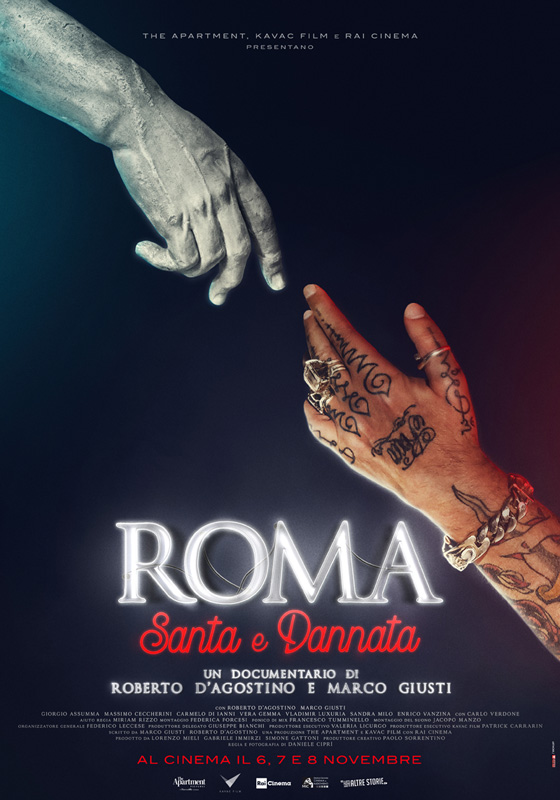
Roma, santa e dannata

Movies
Directed by Director's notes
  • Daniele Ciprì
Year
  • 2023
Length
  • 1h 31'
Directed by
  • Daniele Ciprì
Year
  • 2023
Length
  • 1h 31'
Cast
  • Carlo Verdone
  • Carmelo Di Ianni
  • Enrico Vanzina
  • Giorgio Assumma
  • Massimo Ceccherini
  • Sandra Milo
  • Vera Gemma
  • Vladimir Luxuria

Synopsis

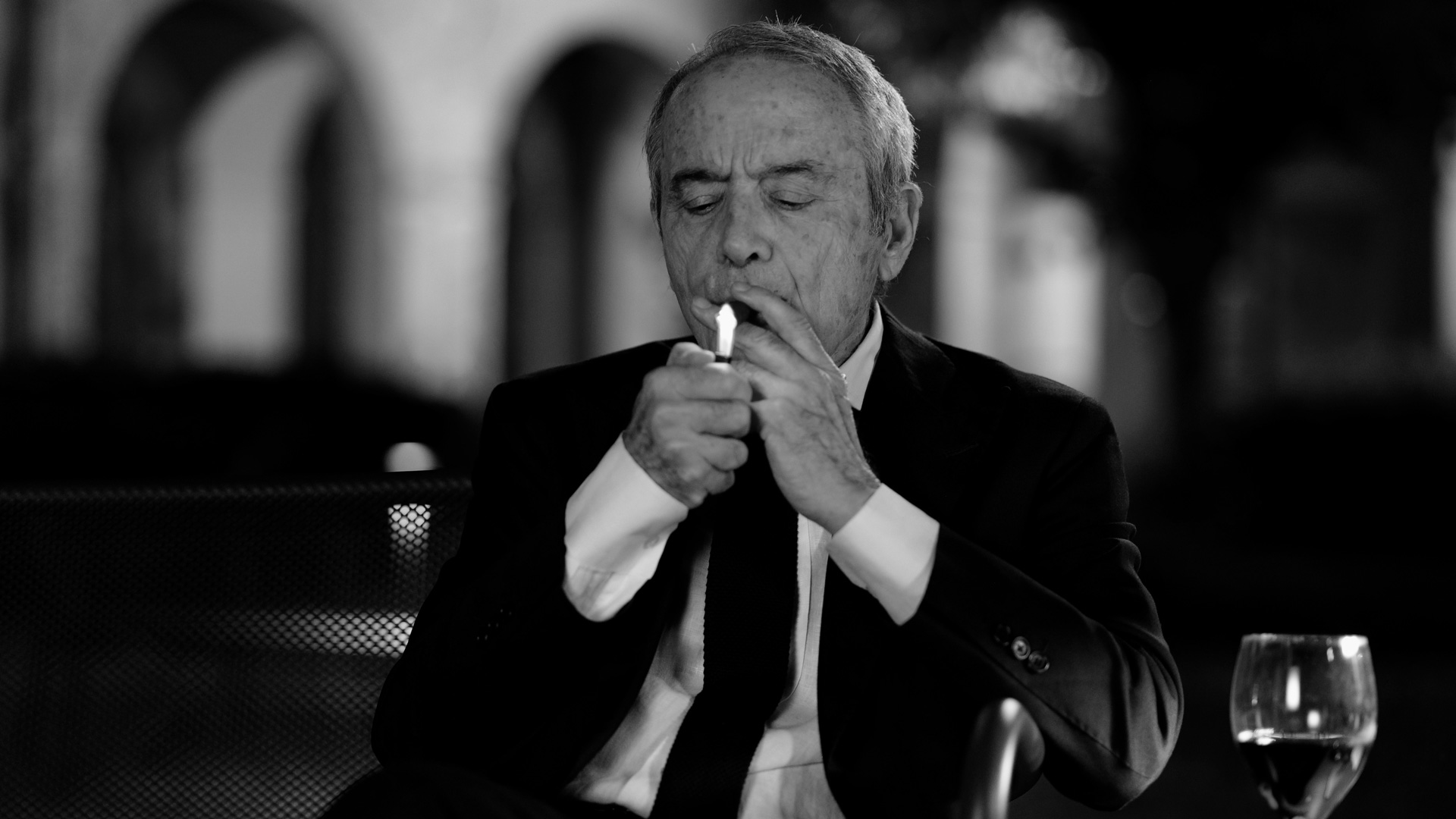
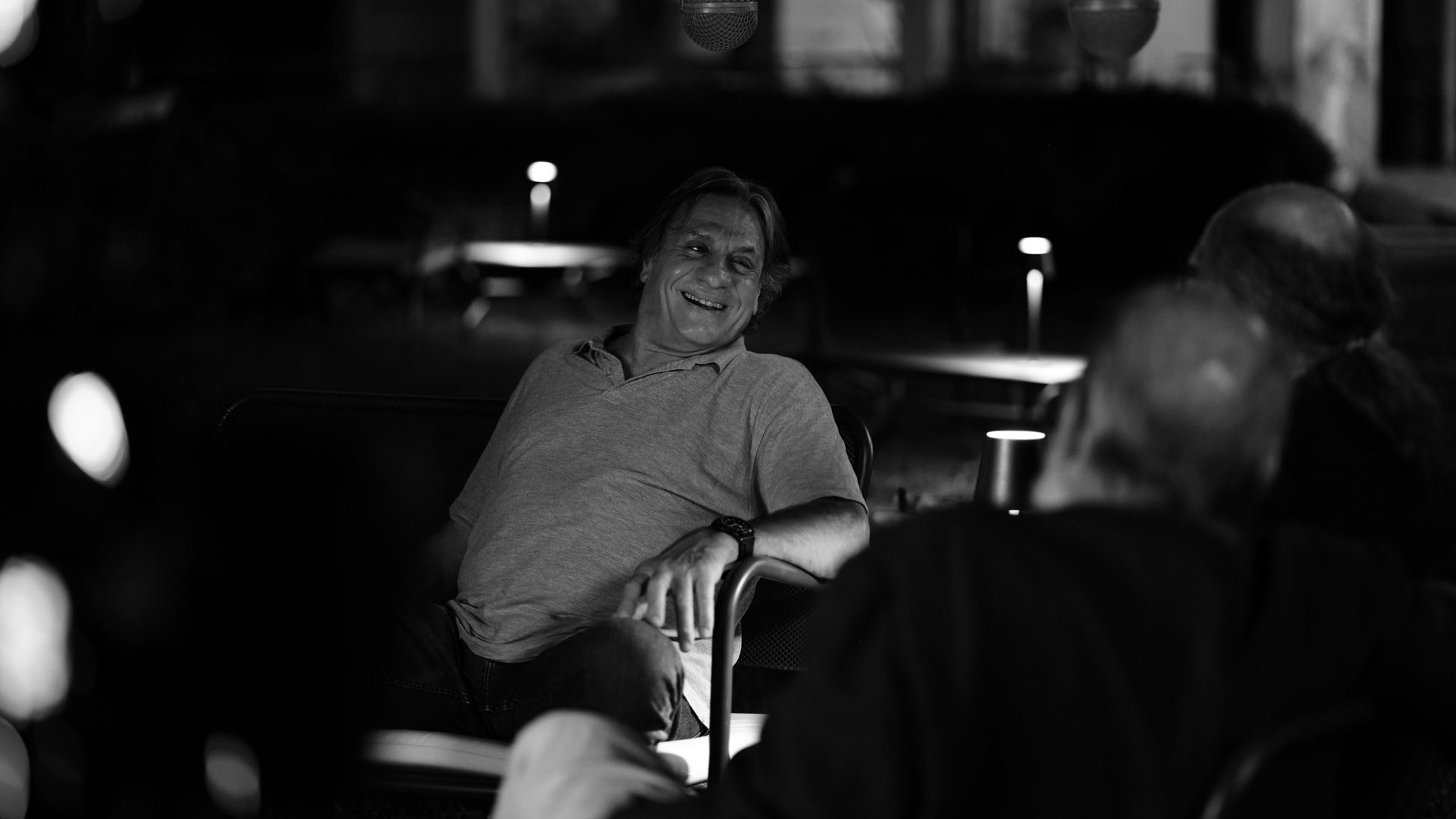
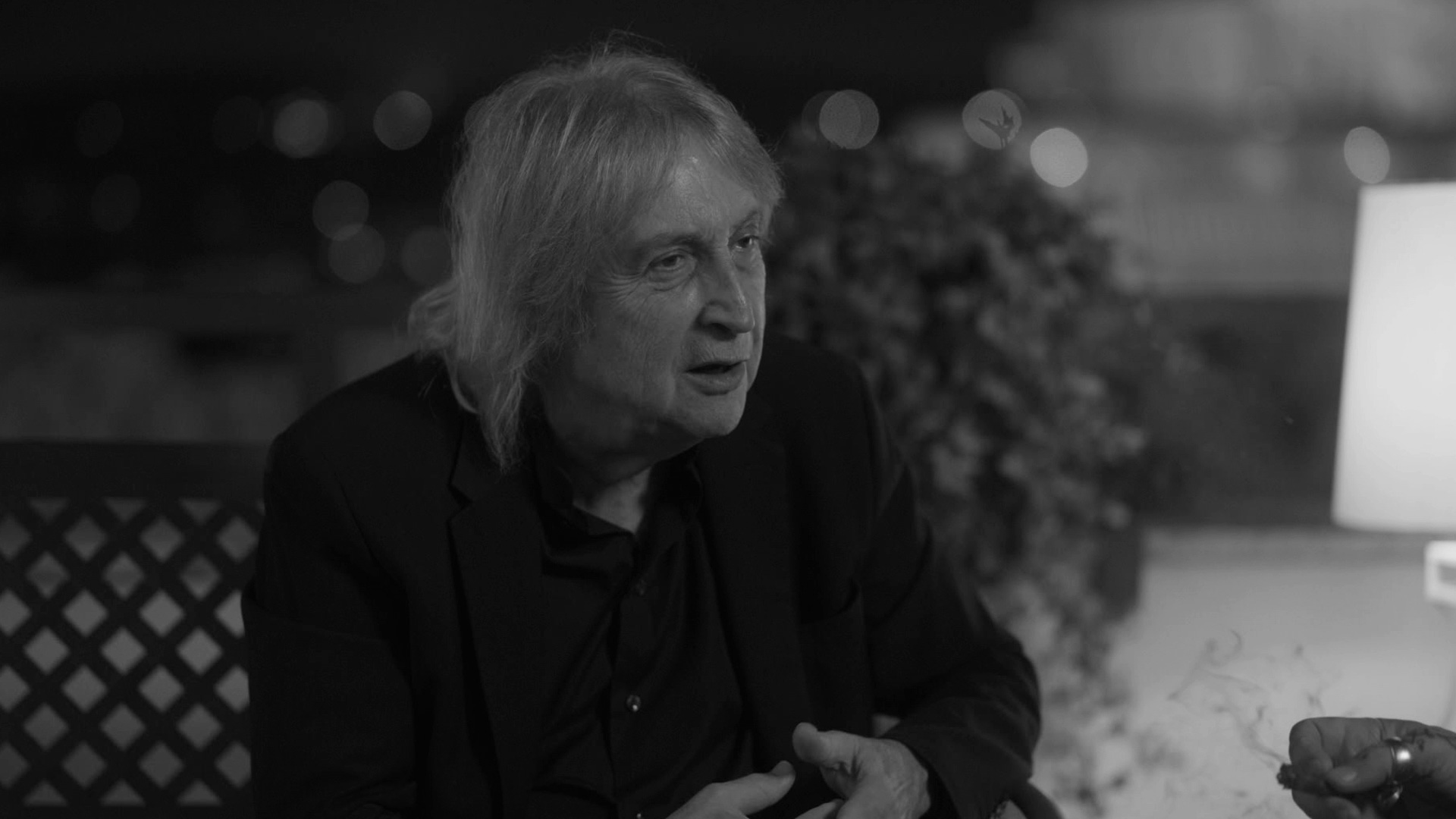
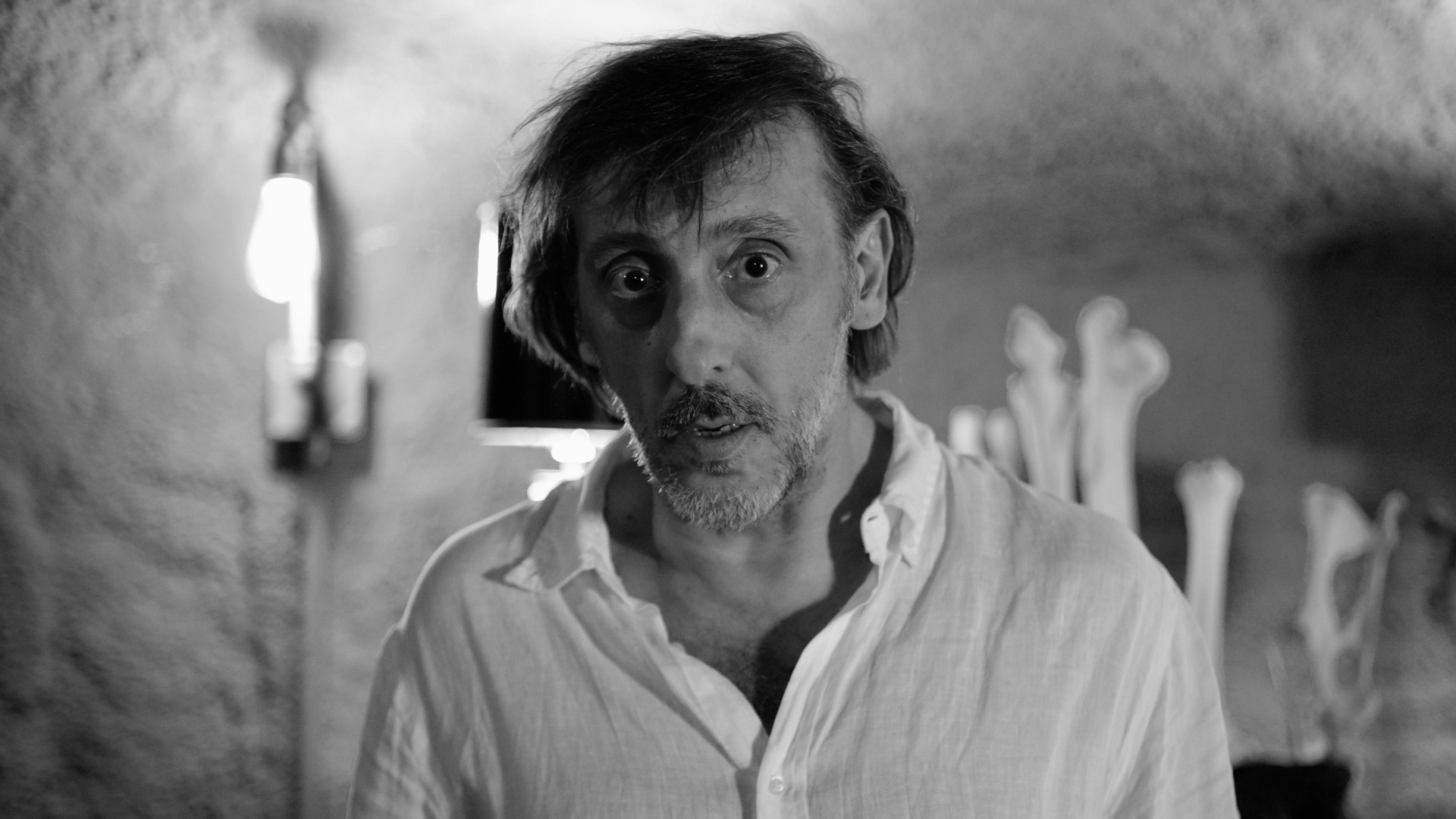
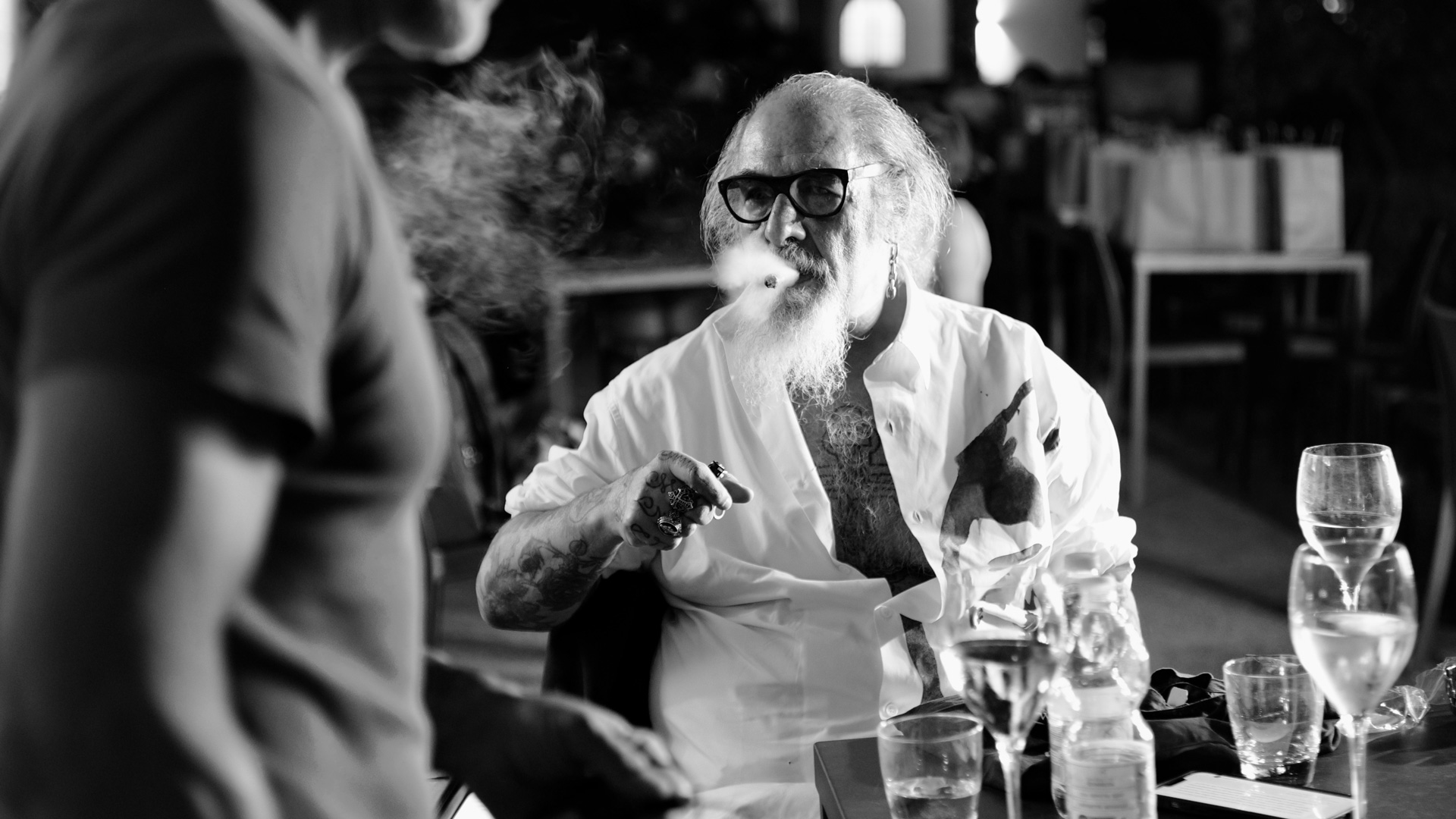
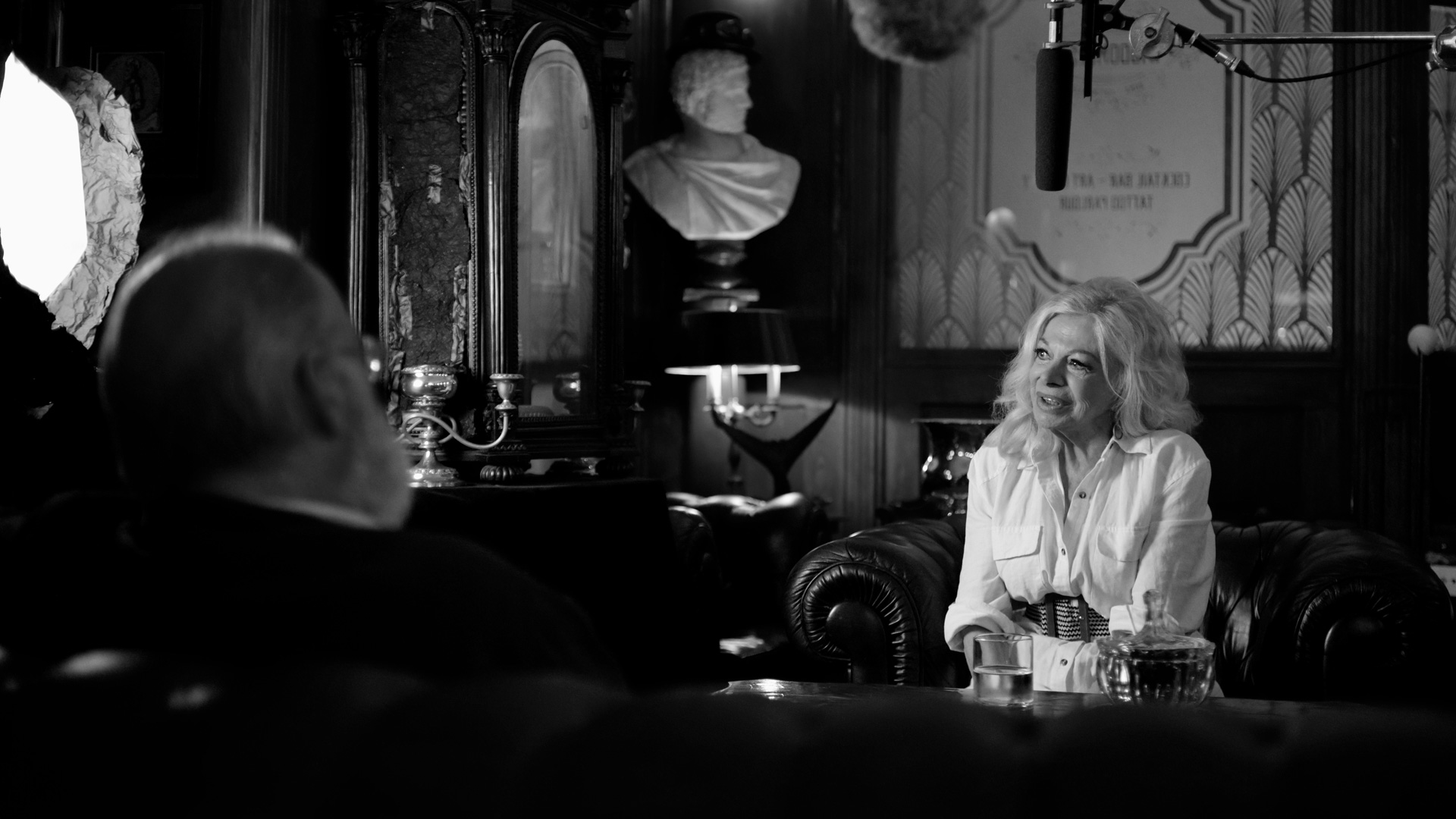
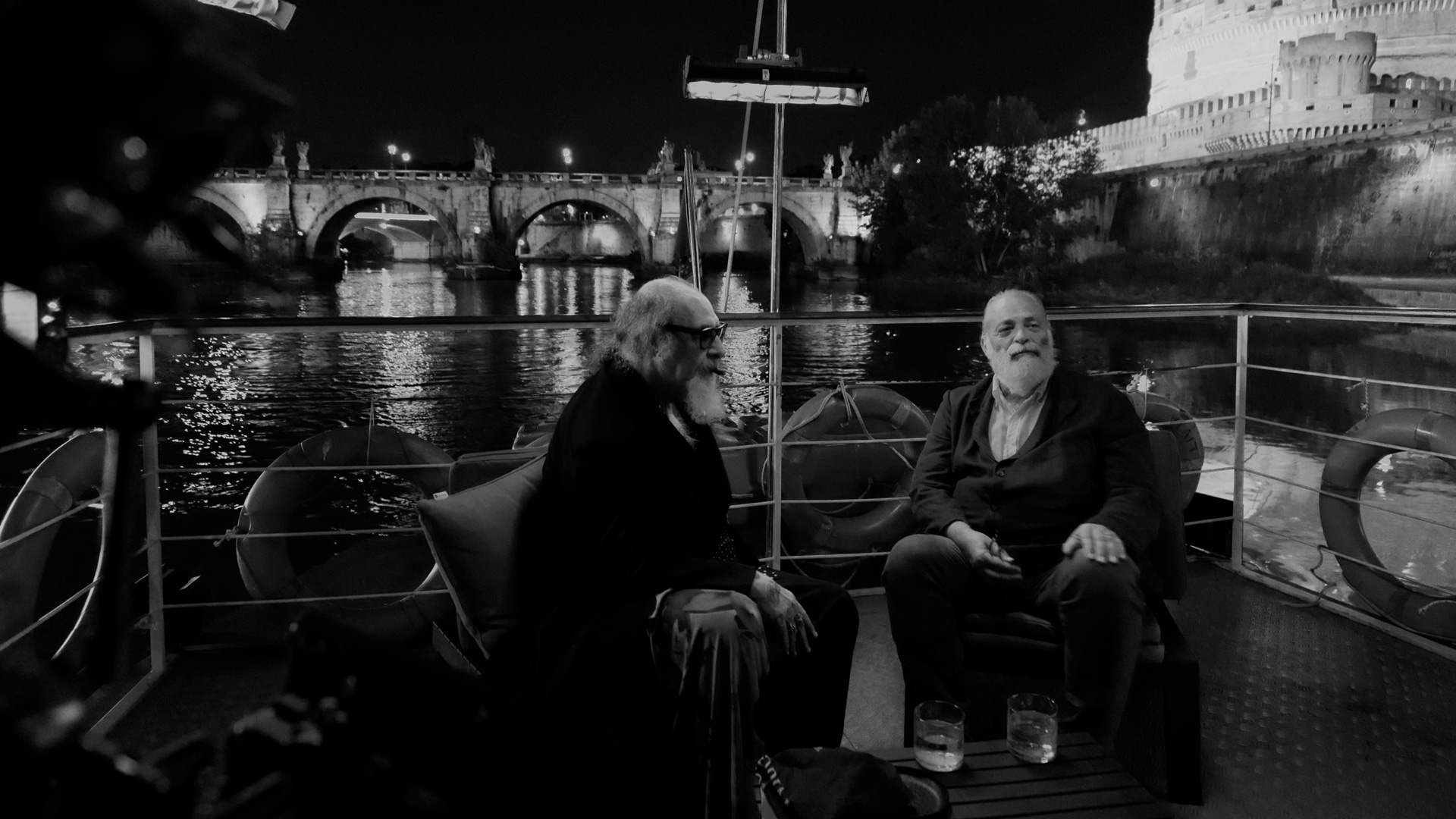
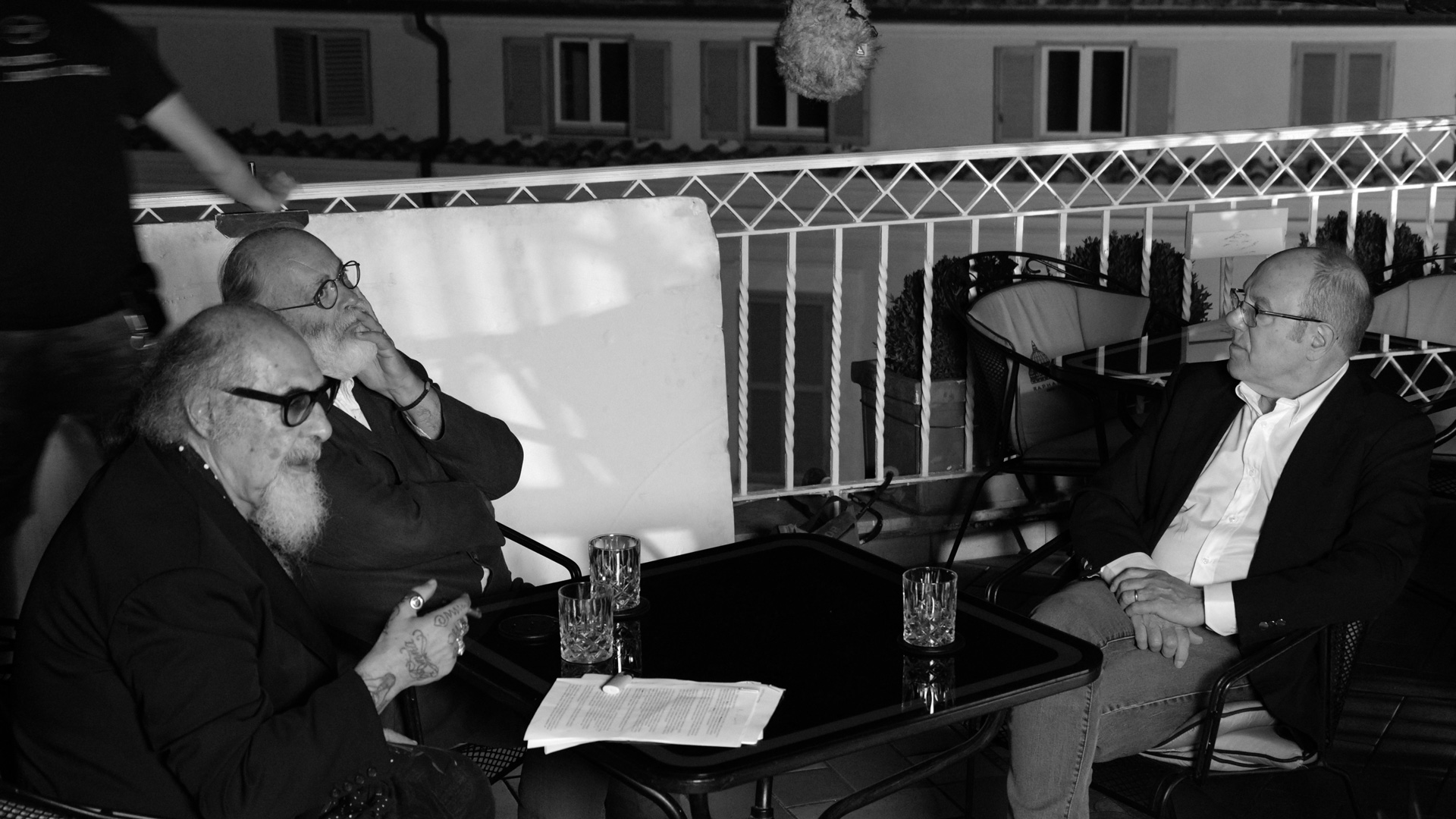
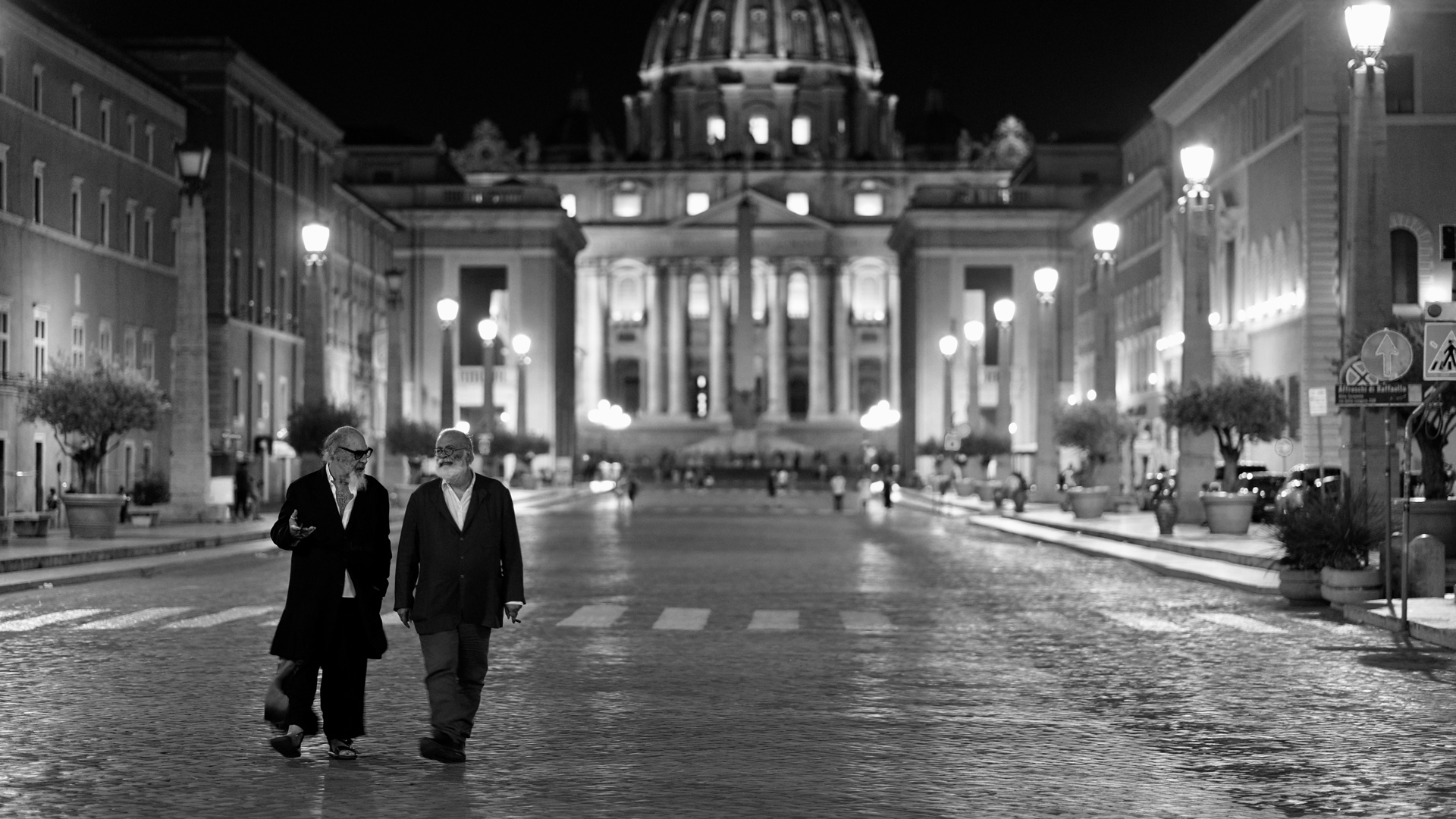
“ROMA, SANTA E DANNATA” is a journey into the Roman night where Roberto D’Agostino will tell his friend Marco Giusti, filmed by Daniele Ciprì, why Rome is a city, just as an electric chair is a chair. A unique and infernal city, capable of anything, even transforming Berlusconi into a prime minister, De Michelis into a dancer, Renzi into a statesman, Valeria Marini into an actress. In agreement with Vincent van Gogh (“La notte è la cosa migliore che possa accadere al giorno. La notte è più colorata”), Dago & Giusti embark on the journey at nightfall because it is at night that the din of the world is best perceived. It is at night that the change in social customs asserts itself. It is the night that best tells what is happening to our lives, more than any sociological essay. Wandering through the streets of Borgo Pio, navigating by boat on the Tiber, meeting characters and ghosts, always undecided whether to call the carabinieri or the nurses, Dago & Giusti describe a city more mysterious than the Coca Cola formula. A perfect enigma to degrade into a metaphor: it is a dead end, a poisoned meatball, a brothel of thought, a pasture of monsters, a huge funnel of collective dementia. Chateaubriand wrote: “E’ bella Roma per dimenticare tutto, disprezzare tutto, e morire”. And Fellini added: “L’Urbe è un immenso cimitero brulicante di vita”. A city that should place at the entrance of the Raccordo Anulare the inscription that Dante puts on the gates of hell: “Lasciate ogni speranza o voi ch’entrate”. A place where one is always waiting for the arrival of the barbarians, but once they arrive at Piazza del Popolo, it will take nothing to seduce them, to corrupt them, to transform the barbarians into Barberini; it will truly take nothing to seat them at a table with four scantily clad girls in inguinal miniskirts from “Checco er Carrettiere” and together see them warbling “La società dei magnaccioni”: “Ce piacciono li polli, l’abbacchi e le galline, perché so senza spine, nun so’ come er baccalà”.


Director's notes
  • Who can narrate Rome, its mysteries, its secrets, its ethics/underbelly, its importance as a moral/immoral capital, today? Who has preserved the memory of the stories often told in newsrooms and salons, but certainly not published or publishable? Stories that represent the darkest and deepest part of a Holy City. For over two thousand years, Rome has had only one certainty, granite-like and unshakeable, a power as eternal as the city that contains it: the Vatican. And our journey begins precisely with the story of a cinema in Porta Castello, a hundred meters from the Dome, which the Holy See saw fit to rent to a wild group of gay sinners. And it became the famous "Mucca Assassina" (Killer Cow), the most transgressive club in the Eternal City.

    If there's anyone who can recount and in some way represent the great Capitoline Theatre, it's Roberto D'Agostino, a Roman from San Lorenzo, creator and director of the celebrated website Dagospia, described by himself as "an electronic concierge." An information bulletin that interprets the political, social, and cultural backstories, enveloping facts and misdeeds, truths and half-truths—that is, gossip—of our extraordinary and unfortunate country. Because in Rome, solidarity doesn't exist; complicity does. That's why it's the city with more than twenty recreational clubs, from Hunting to Chess, from Aniene to Clay Pigeon Shooting. Fierce jokes and clownish improvisation. Everyone improvises everywhere: at the bar, on the street, in restaurants where reality always surpasses fantasy. And everything that appears in newspapers and talk shows is just a lot of fluff. In Rome, true power has no face. It's like a potato: the best part is hidden underground, and its filaments are the threads that move the puppets among the damask rooms of Palazzo Chigi and its surroundings.

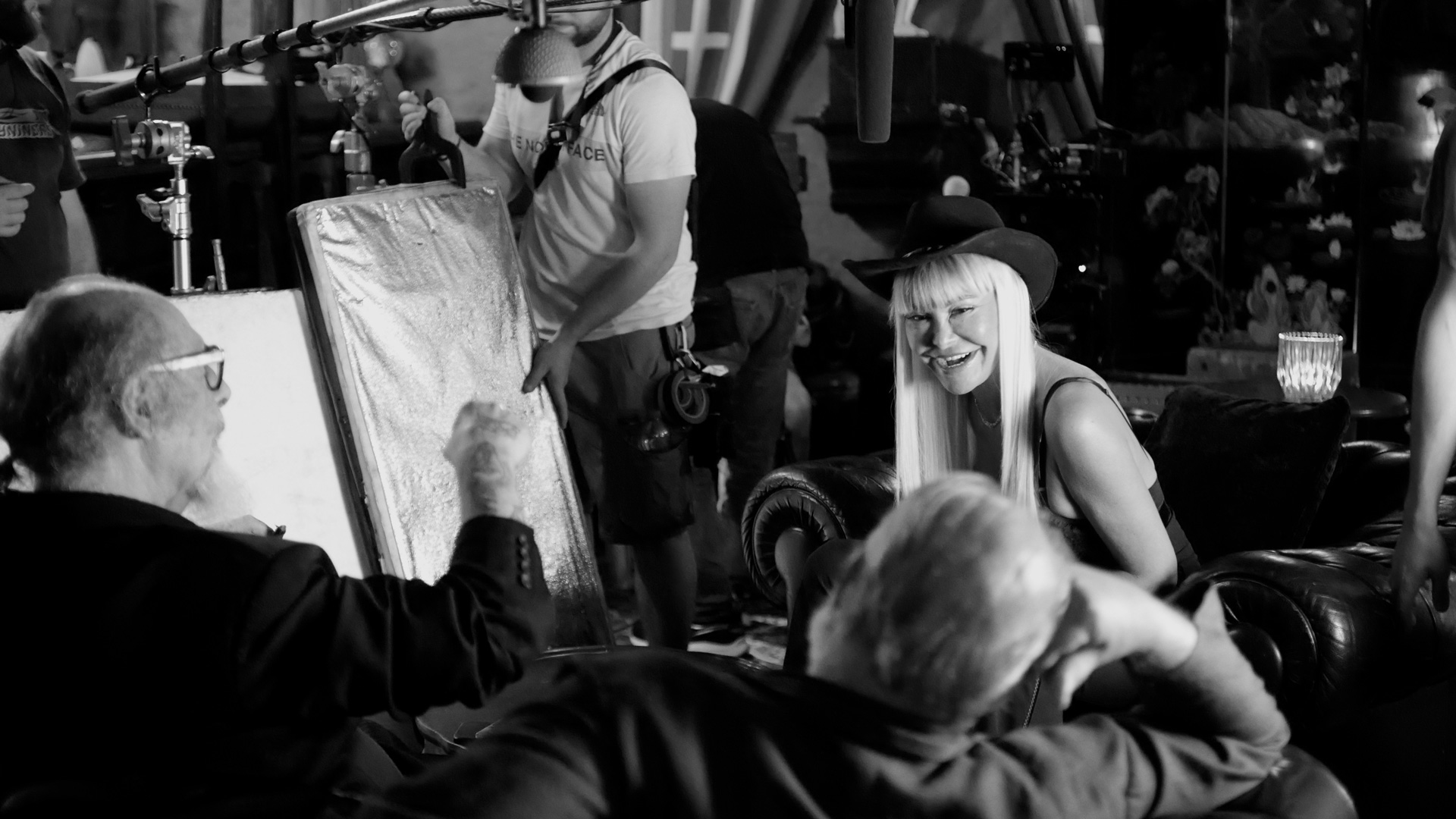
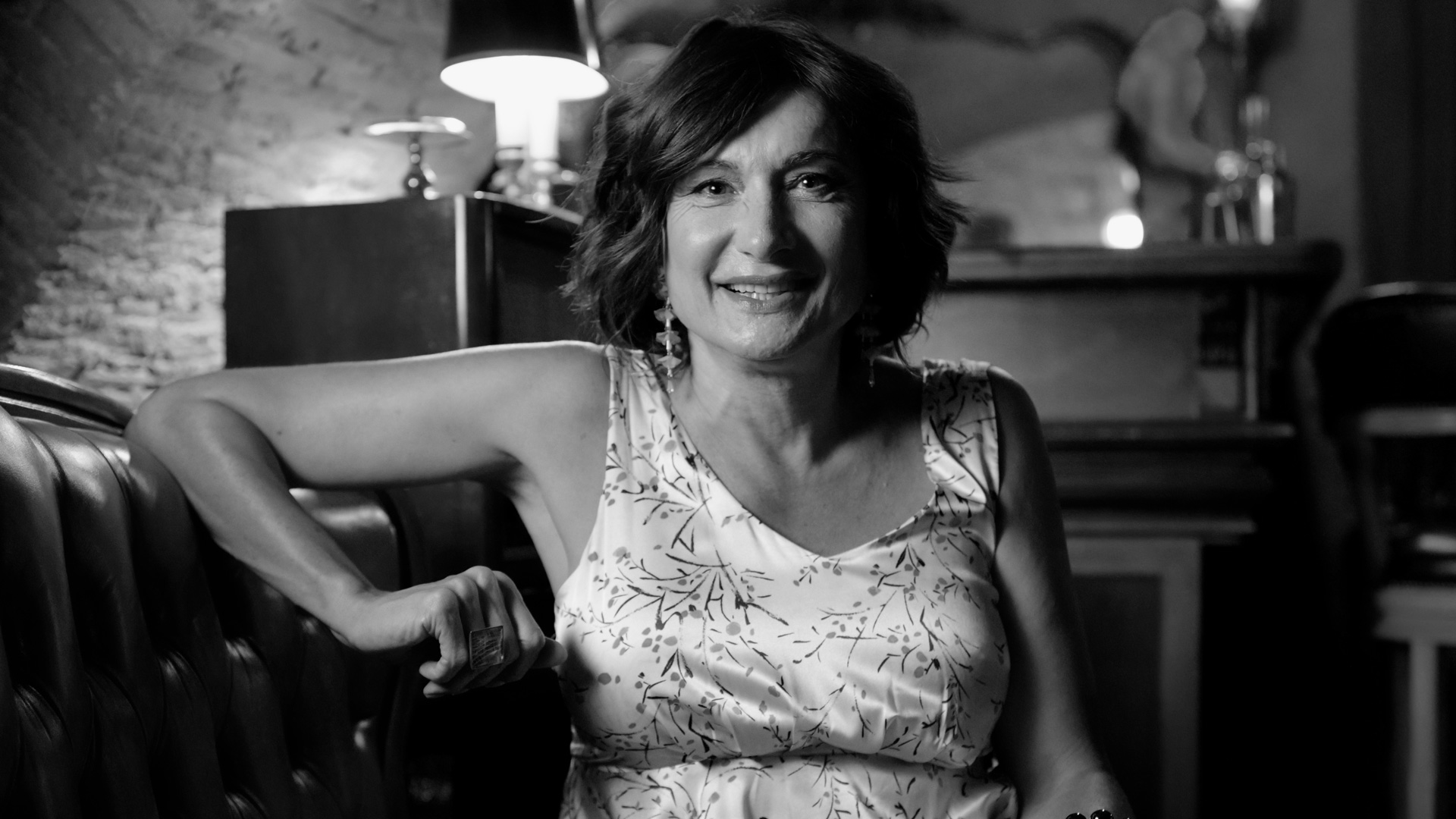
    Life, in the end, is a matter of encounters. Encounters are our coming-of-age novel, our story that cannot do without the stories of others; it is the story of what one has become, what one is. Thus, on their nocturnal journey, Dago & Giusti go in search of eyewitnesses to these tales, personalities like Carlo Verdone, Enrico Vanzina, Sandra Milo, Massimo Ceccherini, Giorgio Assumma, Vera Gemma, Vladimir Luxuria, Carmelo Di Ianni, Enrico Vanzina.