Bang Bang Baby
TV Series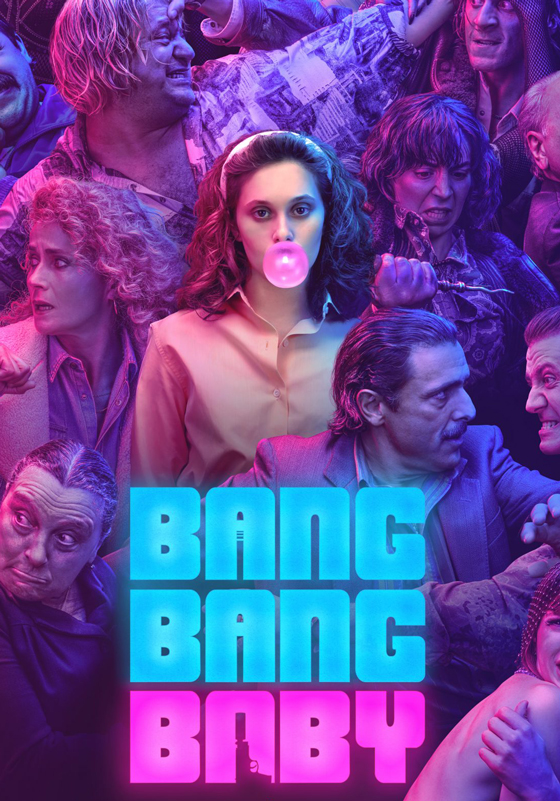
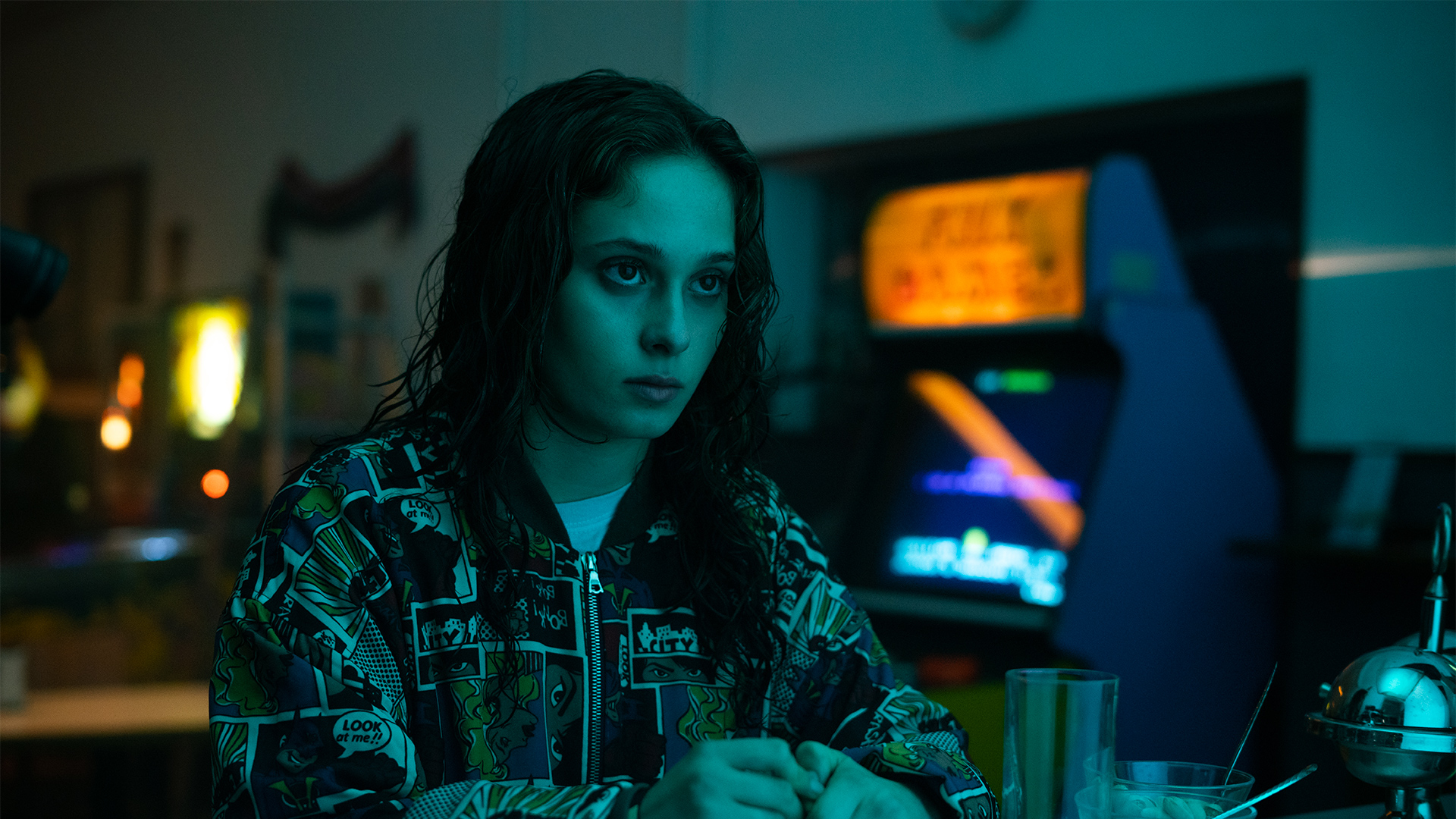
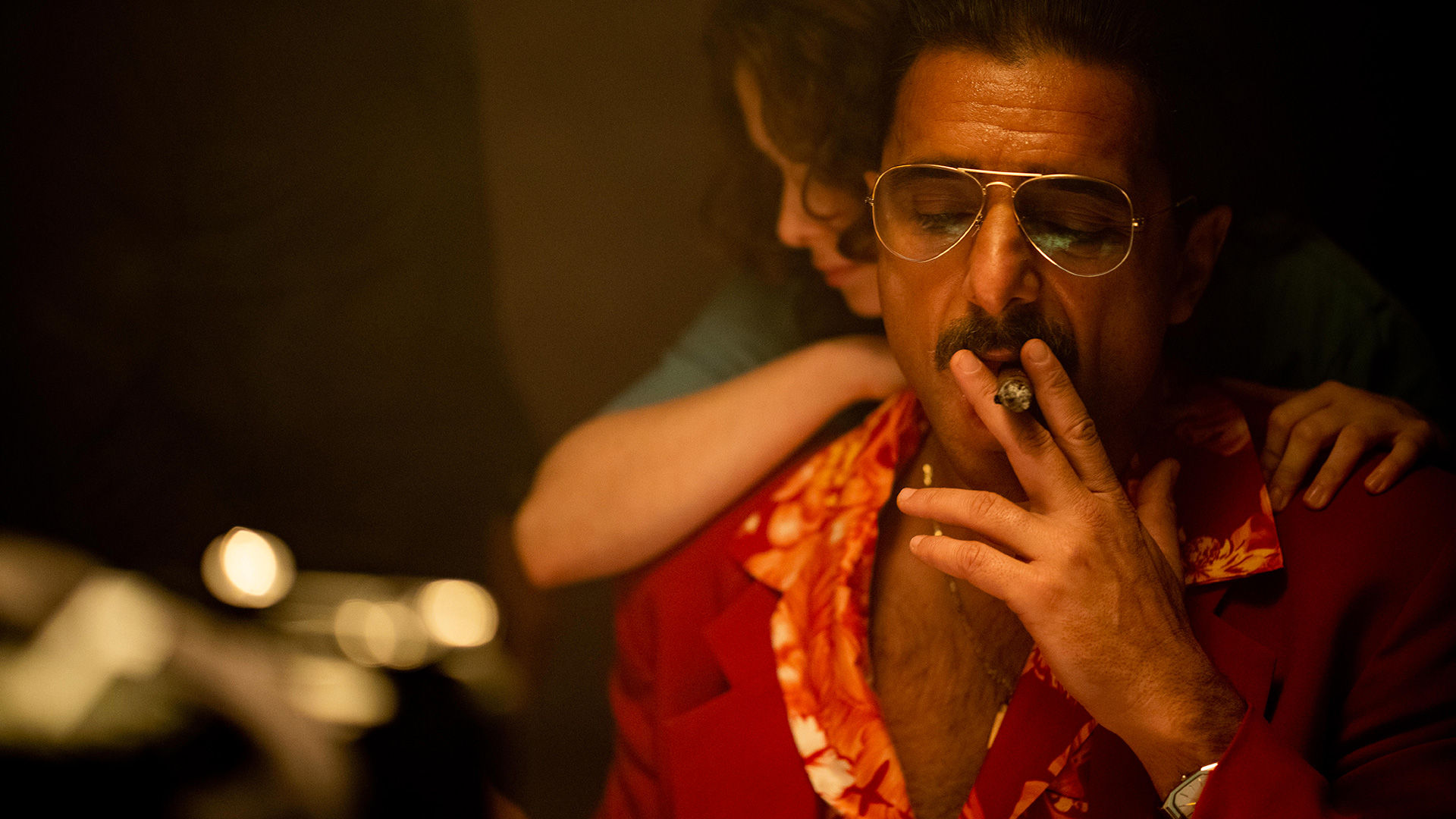
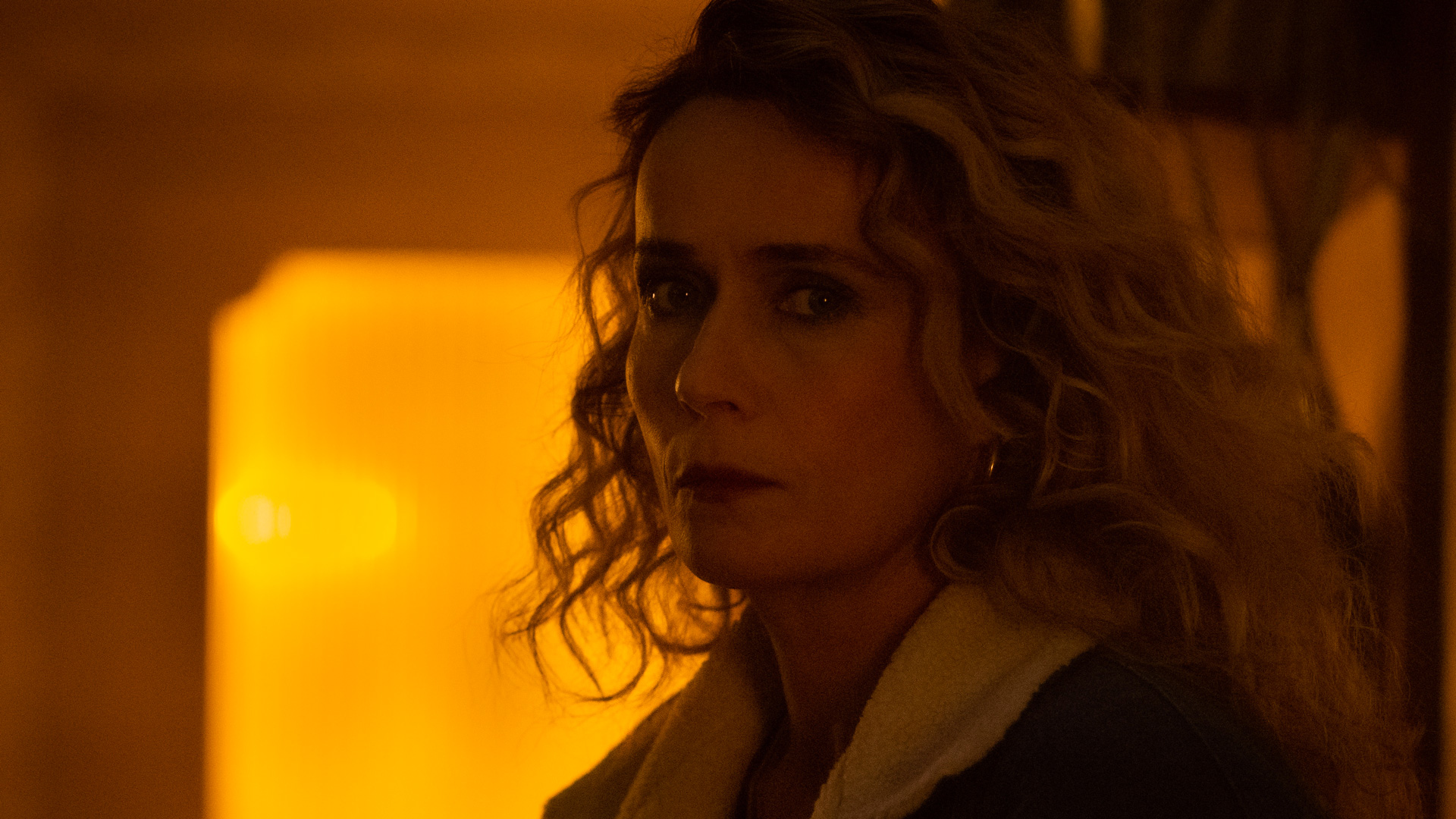
I first heard about Bang Bang Baby in the autumn of 2019 when Andrea Di Stefano proposed that I direct several episodes, and we immediately started scouting locations. When the pandemic hit, Andrea returned to France, and Amazon Studios, The Apartment, and Wildside decided to hand me the reins of the series. We were working remotely, and our location scouting shifted to Google Maps. Literally. Bang Bang Baby was the first major production in Italy to start after the lockdown, and thanks to a high-level protocol developed by our executive and Amazon Studios, we managed to begin safely. Beyond the pandemic, the first difficulty I encountered was creative: interpreting the scripts. I loved the screenplays from the start, precisely because of their complexity, for the mix of genres I found within them. But the more I enjoyed reading them due to their diverse tones, the more I wondered how I would then manage to translate them into images. The script ranged from melodrama to comedy, passing through crime and teen drama. I asked myself what would be the winning way to stage that carousel of emotions, which of those tones should be the backbone to hold the story together. The turning point came through working and continuously collaborating with my colleagues: the directing team, DoP Vittorio Zorini, set designer Tamara Marini, costume designer Luca Canfora, and later, editor Marcello Saurino and composer Santi Pulvirenti. I realized that I would have to harmonize all those tones, make them play together without any one prevailing over the others, organically, even with sudden changes, but without jarring transitions. And it was an exhilarating quest. I decided to convey the story through Alice's point of view. The camera moves through space following Alice's emotional flow, without ever being purely descriptive. The intent was to take the viewer by the hand and guide them into the world Alice plunges into, with her own emotional temperature. The staging of her imagination, turbulently influenced by 80s pop culture, plays a fundamental role in this. And it is precisely this kaleidoscopic filter that characterizes Alice's coming-of-age story and gives Bang Bang Baby its unique identity.